Month: September 2016

  • Friday, September 23, 10:00 am – Cycads and Gymnosperms

    Friday, September 23, 10:00 am – Cycads and Gymnosperms

    The Garden Club of the Back Bay will kick off its 2016/2017 lecture series on The Prehistoric Garden on Friday, September 23, with a field trip to the Wellesley College Botanic Garden, 106 Central Street in Wellesley, to hear about Cycads and Gymnosperms.

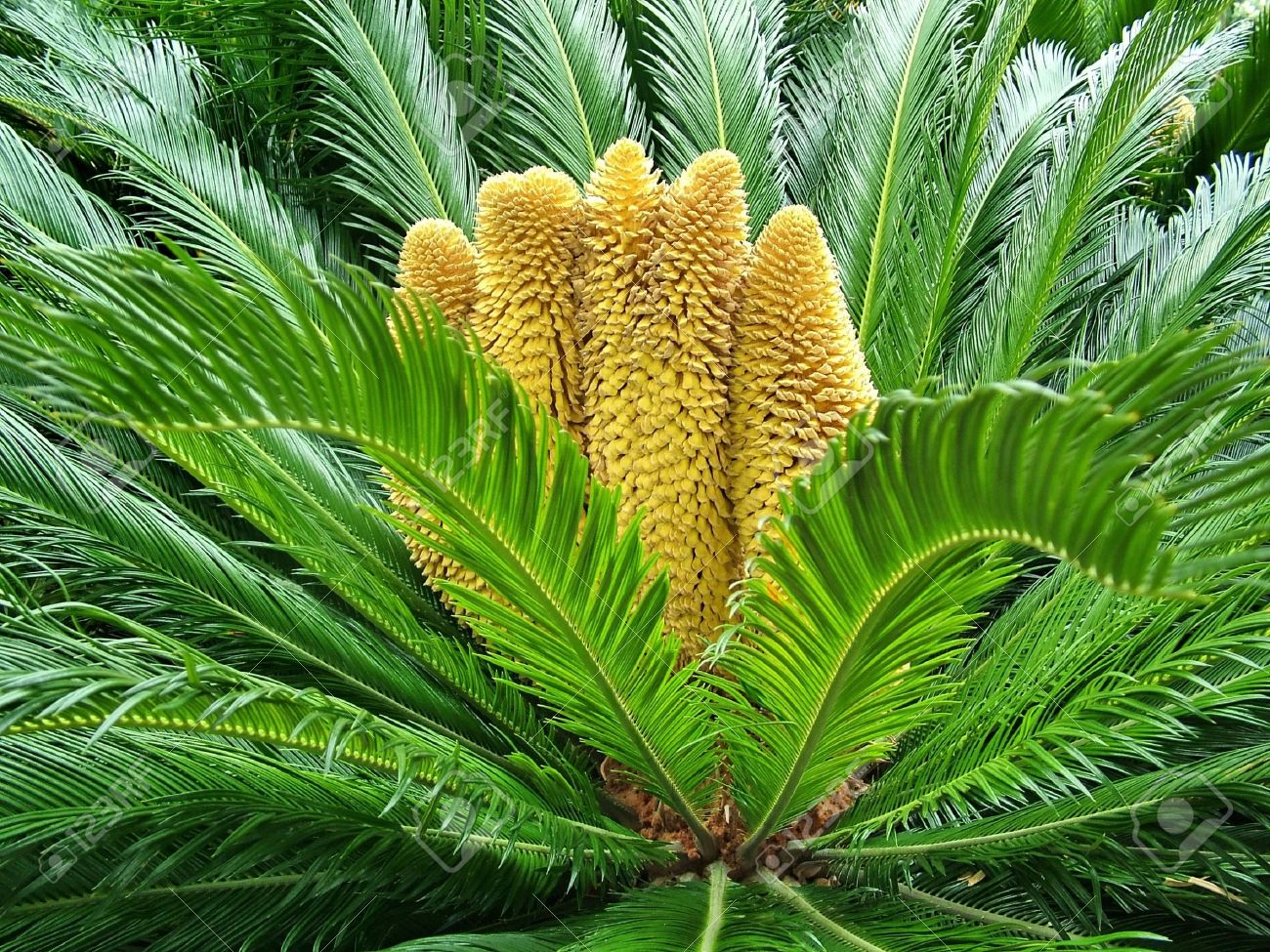
    Carol Govan will talk about the connections among related plants and how they express their genetic heritage in response to their environments. Discover the beauty of the first plants to produce seeds. A remarkable adaptation to help plants survive on land, we will see many examples of cycads, conifers, ginkgo and plants that were dominant during the age of the dinosaurs. See hands-on examples of various twigs, cones and seeds. After the lecture, visit these plants in the greenhouses with Carol. Cycads are seed plants with a long fossil history that were formerly more abundant and more diverse than they are today, according to Wikipedia. The living cycads are found across much of the subtropical and tropical parts of the world. Carol, a professional artist, botanical illustrator, and teacher, is a graduate of New England Wild Flower Society’s Certificate in Native Plant Studies program, which has helped her gain insight into the connection between art and nature. Her work has been featured by the New England Society of Botanical Artists, Duxbury Art Complex, and most recently at the Ashland Public Library. Image below from www.berkeley.edu.

    Club members will receive a written notice of the meeting with car pool information.  The lecture is co-sponsored by The Friends of Wellesley College Botanic Garden and non-club members may register online ($10) at www.wellesley.edu/wcbg/wcbg_friends

    Save

    Save

  • Saturday, September 17, 10:00 am – 12:00 noon – Fruits of the Earth

    Come to Berkshire Botanical Garden on Saturday, September 17 at 10 am to hear vegetable gardener extraordinaire and heirloom seed activist Amy Goldman share her journey over time on the historic Abraham Traver farmstead in the Hudson Valley. Amy will chronicle her evolution as a gardener and will highlight some of the heirloom vegetables, fruits, berries, and nuts that she has grown over the past 25 years on her 200-acre farm, all of which have been preserved in another fashion as well – for the past 15 years acclaimed photographer Jerry Spagnoli has used a daguerreotype process to capture these much cherished cultivars of fruits and vegetables in ethereal images with a silvery luminous depth and a timeless beauty. Amy will share her experiences growing many of her favorite heirloom vegetables and fruits accompanied by images that are sure to inspire both the home gardener and those simply interested in our food heritage. A book signing will follow the talk. BBG member price $15, nonmembers $20. Register online at https://berkshirebotanical.org/education/lectures-and-workshops/

  • Saturday, September 10 and Sunday, September 11, 10:00 am – 4:00 pm – Spice Festival at Pioneer Village

    Join Salem’s Pioneer Village  on September 10 and 11 from 10 – 4 for a celebration of Salem’s long and fascinating history with exotic spices from around the world. Spices, herbs and teas will be explored in culinary and medicinal usage. Arts, crafts, food samples, demonstrations, live music, lectures, workshops and storytelling will all be featured. Visit the Pioneer Village Salem website, http://www.pioneervillagesalem.org/, for links to direction and more information. Built in 1930 to mark the tercentennial of Massachusetts, Pioneer Village is America’s first living history museum. The village sits on three acres of land and contains various examples of colonial architecture: dugouts, wigwams, thatched roof cottages, and the Governor’s Faire House. Culinary and medicinal gardens and a blacksmith shop further interpret early 17th-century colonial life.

    Pioneer Village is nestled between the woods and the ocean, a ten minute drive from downtown, in Salem’s Forest River Park. Tickets: FREE event but suggested donation of 5.00 adults, $3.00 children.

    -1

  • Saturday, September 17, 10:00 am – 1:00 pm – Reflecting On Our Connections With Nature

    Join naturalist, educator, author Clare Walker Leslie at Tower Hill Botanic Garden on Saturday, September 17 from 10 – 1 for a little time just Being With Nature. Clare will guide you in ways to become more attentive to the small events happening continually in the nature just beyond your doorstep, wherever you are and in any season. Inspired by Clare’s most recent book The Curious Nature Guide: Explore the Natural Wonders of Nature All Around You, you will watch, listen, and reflect as we walk around the gardens and landscapes of Tower Hill as they transition to fall. Clare will give you prompts for recording in word and in simple image. Participants will leave with ways they can continue these nature reflections on their own and where they live.

    Bring paper and pencil, pen and color if you want. Suitable clothing for walking outdoors recommended. The session will take place part indoors and part outside.

    Clare Walker Leslie is a nationally known naturalist, artist, educator and author of 12 books on connecting with nature.  She teaches workshops in Observing Nature throughout the country for schools, colleges, nature centers, and environmental organizations. Information on Clare can be seen at: www.clarewalkerleslie.com.  Session is $35 for Tower Hill members, $50 for nonmembers.  Register online at www.towerhillbg.org.

    Save

  • Thursday, September 15, 6:00 pm – Why So Many Leaf Forms? Insights from Viburnum Evolution

    Why do leaves come in such an extraordinary variety of shapes and sizes? Global patterns in the distribution of different leaf forms provide clues, and multiple hypotheses have been proposed to explain such diversity. Recent work on the evolution of Viburnum (a popular group of shrubs) complements studies of global patterns and adds a new hypothesis to the mix. Michael Donoghue, Sterling Professor of Ecology and Evolutionary Biology, Department of Ecology and Evolutionary Biology, Yale University, will discuss the Viburnum research, its relevance to understanding climate change, and the processes by which diverse ecosystems come into existence. The free lecture will take place Thursday, September 15 beginning at 6 pm.

    The Evolution Matters Lecture Series is supported by a generous gift from Drs. Herman and Joan Suit. This Harvard Museum of Natural History program is located at the Geological Lecture Hall, 24 Oxford Street. Free parking is available at the 52 Oxford Street Garage.

  • Friday – Saturday, September 23 & 24 – Horticultural Bright Lights: The Future of Gardening

    The JC Raulston Arboretum at NC State University’s 40th Anniversary Symposium will take a look forward to what the next 40 years have in store for the gardening world. From landscapes that are in harmony with the natural world and cultivating edibles native to our own woodlands to breeding and collecting plants suited to 21st century landscapes, we’ll hear from some of the brightest lights of the next generation of horticultural heavyweights including Matthew Pottage the youngest ever curator for the Royal Horticulture Society’s crown jewel garden— Wisley, one of the premiere display gardens not only in England but anywhere in the world.

    Other speakers include cutting edge plant breeder, Hans Hansen; ecological designer, Rebecca McMackin; taxonomist/explorer, Aaron Floden; landscape designer, Claudia West; assistant professor, Jared Barnes, Ph.D.; and North Carolina’s own maple nuts, Matt and Tim Nichols.

    One presentation is entitled Propagating Horticulturists: A Cultural Guide for Cultivating the Future of Horticulture.
    Propagation is a cornerstone of horticulture. We are incredible propagators of plants, but a challenge we face is how do we propagate horticulturists? In this timely and lively talk, Jared Barnes, current horticulture professor at Stephen F. Austin State University, will discuss the similarities in how we sow seeds and how we expose youth to horticulture, in how we take cuttings and how we help amateur gardeners continue to take root, and in how we graft two different species together and how we bridge a connection between plants and other hobbies and interests. This NC State alumnus will also show in this talk that by using this language and mind-frame along with our understanding of the art, science, and craft of propagation, we can connect with more people and develop a cultural guide for propagating horticulturists.

    Exploration, Discovery, and Bridging Botany and Horticulture is the topic of Aaron Floden, Ph.D. Explorations in eastern North America and the less-explored parts of Asia reveal novelties in the scientific realm from both regions with a strong focus on plants with horticultural interest. A strong focus will be Polygonatum and related genera, some North American natives, and numerous genera from Asia where we’ll visit the least explored part of the Himalaya in Arunachal Pradesh, India, the Dabashan in central China, and the north of Vietnam on the border with China.

    International Maples of Mystery is next. Japanese maples selections are made all over the world. Matt and Tim Nichols will discuss unique Japanese maple selections made from all over the world with a focus on their most recent plant excursion to Japan which included wild collecting maples, visits of Tsukasa Maple, Kobayashi Nursery, Kobayashi Momiji En, World Maple Park, and much more.

    Wisley — The New Chapter for the Flagship Garden of the Royal Horticultural Society is presented by Matthew Pottage. Wisley has been gardened for over 100 years and boasts the largest collection of cultivated plants in the United Kingdom. Attracting over one million visitors per year, Wisley is at the dawn of a new chapter with over £60 million pounds worth of investment planned over the next ten years, coupled with the appointment of Matthew Pottage, the youngest curator in the Society’s history.

    Planting in a Post-wild World will explore how we live in a global city and few wild places remain in today’s world. Planting designers have the opportunity and responsibility to bring wildness and ecological value back into our landscape. This challenge requires a new form of planting design that works with natural principles and marries horticulture with ecology. Join Claudia West as we explore how native plants will fit into our future landscape and how plant community based design strategies can help you meet aesthetic and ecological goals during your next planting project.

    Hans Hansen will speak on New Plant Development at Walters Gardens. Hans Hansen is the director of new plant development and plant breeding at Walters Gardens in Zeeland, Michigan (pictured below) – a position he ‘s had for seven years. Before Walters Gardens, Hans was the director of research and development at Shady Oaks Nursery in Waseca, Minnesota, for over 15 years. Hans ‘s current breeding projects include refining U.S. natives for more ornamental and useful urban garden use. His most extensive projects include Baptisia, Monarda, Phlox, ×Mangaves, Heuchera, and Hibiscus breeding programs.

    Also on the program will be Rebecca McMackin, Director of Horticulture for Brooklyn Bridge Park, along with an auction and book sale. Call Chris Glenn at 919-513-7005 to register, and visit www.jcra.ncsu.edu. Program registration is $180, which does not include transportation or hotel. The event will be held in the Ruby C. McSwain Educatin Center, 4415 Beryl Road, Raleigh, North Carolina.

  • Sunday, September 18, 11:00 am – 5:00 pm – Boston Local Food Festival

    For one spectacular day each year, the Rose Kennedy Greenway and the City of Boston is transformed into the nation’s largest local & sustainable food hub! Boston Local Food Festival is a free outdoor festival that showcases farmers, local restaurants, food trucks, specialty food producers, fisher folks, and organizations focusing on healthy food and fitness from New England. The festival also features lively chef & DIY demos, a seafood throwdown competition, diverse music and performances, family fun zone and more.

    Festival goers learn about the benefits of sustainably grown and produced food, shop the market, eat delicious local food, participate in fun, educational activities and exhibits, engage with top local chefs and enjoy local music. Themed “Healthy Local Food for All”, the festival connects Massachusetts and New England eaters of all backgrounds with the abundance of fresh, nutritious local food choices available close to home.

    The festival is a zero-waste event, meaning we divert over 91% of our waste each year and we offset 100% of our energy use! All perishable items sold are made from locally sourced products. Best of all, we bring this annual event to the community free of charge. So grab your reusable water bottles and bags and enjoy New England’s largest one day farmers market, while celebrating “Healthy Local Food for All.”  The event takes place this year on Sunday, September 18 from 11 – 5. For complete details visit http://bostonlocalfoodfestival.com/

  • Saturday, September 24, 10:30 am – 6:00 pm – A Visit to Wildside Cottage and Gardens

    On Saturday, September 24, from 10:30 – 6, travel by van from Wellesley College to Wildside, the off-the-grid property in Conway, Massachusetts owned by Sue Bridge. Wildside is a demonstration site where energy efficiency and food security are on display. For a glimpse, visit http://wildsidecottageandgardens.org. Tom Sullivan (http://pollinatorswelcome.com) will lead a lecture and walk around Wildside, assessing food and habitat for native pollinators. This field trip, sponsored by the Friends of Wellesley College Botanic Gardens, costs $60 for WCBG members, $75 for nonmembers, and includes van transportation, box lunch and snacks. Visit http://wellesley.edu/wcbg/learn for more information, or call 781-283-3094.

    Save

  • Saturday, September 17, 10:30 am – 12:00 noon – Urban Gardening Series: Planting Basics

    On Saturday, September 17 beginning at 10:30 pm, find out which plants thrive in an urban environment and which do not. Learn how to choose the healthiest plants at the nursery and then how to plant those trees, shrubs, and herbaceous species so that they will thrive for years.

    This New England Wild Flower Society class is part of our Urban Gardening Series a set of classes designed to help city dwellers grow healthy, sustainable, and beautiful urban gardens. Led by New England Wild Flower Society staff in partnership with the Cambridge Conservation Commission, these free classes take place in and around the Cambridge Public Main Library, Cambridge, MA. Mark Richardson, Director of Horticulture at NEWFS, will instruct. You may register at www.newfs.org. Fabulous urban gourd garden from www.4decorideas.com.

  • Sunday, September 18, 12:30 pm – 3:00 pm – Learn to Observe: Tree Spotters Citizen Science

    With nearly 4,000 different kinds of plants represented in the Arboretum’s living collections, every day presents rich opportunities to see something new. If you enjoy learning about plants and their unique characteristics, you can contribute to science as a participant in our Tree Spotters program. This citizen science project opens a window into the Arboretum’s phenology: the timing of natural events, such as the leafing out and flowering of trees in the spring and changing foliage colors in the fall. Your observations will assist Arboretum scientists in their studies of the effects of a changing climate on plants. Attend a free training session. All levels of experience are welcome.

    Presenters at this Sunday, September 18 workshop in the Weld Hill Building at the Arnold Arboretum of Harvard University will be Catherine Chamberlain, Suzanne Mrozak, and Danny Schissler.

    Once trained, Tree Spotters will participate in the program by visiting the Arboretum two or more times a month from March through November for a 1 to 2 hour tree-spotting session. You can do this on your own, with friends or family, or with other volunteers. You will enter your observations into your Nature’s Notebook Observation Deck (an online database created and supported by the US National Phenology Network) that allows you to see patterns across the season. Registered participants will receive an e-mail before the training with further information.  Free, but registration requested at http://my.arboretum.harvard.edu/Info.aspx?EventID=1

    If you cannot attend this training but are still interested in the program, please contact  TreeSpotters@fas.harvard.edu.

    treespotters_banner