Month: March 2020

  • Pacific Horticulture Society Digital Classroom – Gardeners as Superheroes

    Pacific Horticulture Society’s online learning series connects gardeners with some of the most intriguing horticultural and environmental issues of our time. Do you want to begin “gardening like the Earth depends on it”?  Tuning into these conversations is a great way to start.  You may access these lectures at any time.

    The first we highlight is Gardeners as Superheroes, with Pamela Berstler, PHS’s Executive Director, and CEO of G3, Green Gardens Group. Many of us garden for a love of plants, beauty, or to soothe our psyches, but emerging science on the the importance of healthy soil and biodiversity – goals we gardeners strive for –  transforms our solitary garden practice into meaningful and necessary action to combat climate change and heal the planet. Discover how we become true gardening superheroes by following the four steps of the “Watershed Approach.”  Note that internet connectivity issues make the first few minutes of the video choppy; this resolves at 9:00. Visit https://www.pacifichorticulture.org/digital-classroom/

  • Saturday, March 21, 10:00 am – 5:00 pm – Gardeners’ Gathering – CANCELED

    Celebrate the start of Boston’s gardening season on March 21 from 10 – 5 at Shillman Hall, Northeastern University, 115 Forsyth Street in Boston. The Gathering is a free day full of informative workshops, engaging exhibitors, networking, and inspiration. Two dozen workshops cover topics like starting a community garden, building healthy soil, gardens and climate change, fermenting veggies, and so much more. An exhibitors’ gallery full of local environmental and agricultural exhibitors provide opportunities to get engaged.

    Our special guest speaker Reverend Mariama White-Hammond, pastor at Dorchester’s New Roots African Methodist Episcopal Church, is an eloquent and passionate advocate and organizer for ecological and social justice, youth engagement, and Spirit-filled organizing. Rev. Mariama has received numerous awards including the Barr Fellowship, the Celtics Heroes Among Us, The Roxbury Founders Day Award and the Boston NAACP Image award. She serves on both local and national boards and committees like the New England Grassroots Environmental Fund, Union Capital Boston and Clean Water Action.

    For complete information on workshops and speakers, visit http://www.thetrustees.org/things-to-do/metro-boston/event-50287.html

  • Sunday, March 29, 9:30 am – 3:30 pm – Watercolor Painting in a Day: Painting Dogwood Blossoms – POSTPONED

    Learn basic and advanced watercolor techniques as you complete this beautiful painting during this Tower Hill Botanic Garden project-based workshop on March 29 from 9:30 – 3:30. Techniques such as painting wet into wet, softening edges and glazing color will be demonstrated. This class is appropriate for both beginners and more advanced painters. Please contact Emma Kerr, Manager of Adult Education, 508-869-6111 x120, ekerr@towerhillbg.org for a materials list.

    Instructor Sue Dion is an award-winning watercolorist whose work is collected internationally. She has taught watercolor to hundreds of students in her own studios (Uxbridge and Worcester) and is a member of the teaching faculty at the Worcester Art Museum. $70 for Tower Hill members, $80 for nonmembers. Register at www.towerhillbg.org

  • Saturday, March 28, 9:30 am – 4:00 pm – Botanical Embroidery – POSTPONED

    Love plants and botanical illustrations? Or wish to dive into the art of embroidery? That is all you need for this Tower Hill Botanic Garden class on March 28 from 9:30 – 4:00. Start with sketching your favorite plant, or corner of the botanic garden. Simplify the drawing into color blocks, then transfer the design onto the fabric. Embroider the design using basic stitches. Then move on to more complex groups of stitches to create textural effects, to finish your botanical drawing. By the time you finish the workshop, you will have learned all the techniques you need, and have a finished piece for your wall. (Fee includes materials). Pinal Maniar is a textile designer and crafts person who is passionate about creating new and interesting products and art pieces using traditional techniques in a contemporary way. She finds her inspiration in her environment and natural surroundings. She has been a textile designer for 20 years and has a design education. She is currently exploring new techniques and plant materials for natural-dyes and eco-printing. $99 for Tower Hill Members, $109 for nonmembers. Register at www.towerhillbg.org.

  • Sunday, March 22, 10:00 am – 11:30 am – Seed in the City Workshop – CANCELED

    Start your spring off right! Allandale Farm’s annual seed starting workshop on March 22 from 10 – 11:30 am covers all the essentials from selecting the right seeds and seedling care to when to transplant your seedlings outside. Whether you’re new to gardening or a seasoned pro, all are welcome!  We will provide seedling trays/domes, labeling materials, growing mix, and our expert guidance. $20 per ticket. To register, visit https://allandalefarm.com/workshops-and-events

  • Sunday, March 22, 1:00 pm – 3:00 pm – Seed Bombing – POSTPONED

    Get ready for spring with seed bombs at Castle Hill on the Crane Estate in Ipswich on March 22 from 1 – 3.

    Together we’ll learn about flowers and seeds, then create handmade seed bombs full of native wildflower seeds or herb seeds to take home. Give them as gifts or use them in your own yard to create springtime plant explosions! 

    All materials included. Children must be accompanied by an adult (1 adult per 2 children please). This activity is appropriate for all ages, but is recommended for ages 5-10.  Member child: $15, nonmember child $25, adults free with children. All children must be accompanied by an adult. Register at www.thetrustees.org or call 978-356-4351 x 4052

  • Tuesday, March 17, 11:00 am – 12:30 pm – The Herbal History of World War II – POSTPONED

    Based on research completed for her recent book, Plants Go to War: A Botanical History of World War II, Judith Sumner will discuss the importance of herbs and medicinal plants in the war effort. From the County Herb Committees in England to South American cinchona (quinine) missions, plants played essential roles in treating wartime illnesses and conditions. We’ll examine the botanical origins of treatments for ailments ranging from bacterial infections and tropical parasites to vitamin deficiencies and bombing-induced stress. The Tower Hill Botanic Garden talk on March 17 from 11 – 12:30 will also include historical perspective on the cultural and medicinal role of herbs in the Third Reich, including the cultivation of extensive herbal gardens at concentration camps.

    Judith Sumner is a botanist who specializes in ethnobotany, flowering plants, plant adaptations, and garden history. She has taught extensively both at the college level and at botanical gardens, including the Arnold Arboretum of Harvard University and Garden in the Woods. Judith graduated from Vassar College and completed graduate studies in botany at the University of Massachusetts at Amherst. She studied at the Royal Botanic Gardens, Kew, and at the British Museum (Natural History) and did extensive field work in the Pacific region on the genus Pittosporum. She has published monographic studies in the American Journal of Botany, Pollen et Spores, and Allertonia, as well as monographing two families for Flora Vitiensis Nova.

    The session is $15 for THBG members, $20 for nonmembers. Register at www.towerhillbg.org.

  • Saturday, March 21, 1:30 pm – 3:30 pm – Troughs: Gardening in the Smallest Landscape – POSTPONED

    Tower Hill Botanic Garden will host Lori Chips on Saturday, March 21 from 1:30 – 3:30 for a workshop on Troughs: Gardening in the Smallest Landscape. Explore the many facets of gardening inside these small charming containers. Learn about the use of rocks for structure, the various kinds of plants that work well, how to best place troughs in the garden as well as the many styles possible. A portion of this talk will emphasize the use of succulents in troughs including how to manage them effectively for beauty and longevity.

    Lori Chips is the author of Hypertufa Containers: Creating and Planting an Alpine Trough Garden recently published by Timber Press. Bring your questions!

    Cosponsored by the North American Rock Garden Society. Sponsor members $23; Non-members $43. Register at www.towerhillbg.org.

  • Through Sunday, March 29 – The Bulb Show – POSTPONED

    Berkshire Botanical Garden’s Fitzpatrick Greenhouse becomes a harbinger of spring now through Sunday, March 29, when the public is invited to enjoy hundreds of flowering bulbs in an annual exhibition featuring New England springtime favorites and a collection of South African bulbs rarely seen in the northeast.

    Visitors to the greenhouse will see an evolving collection of blooming plants including traditional New England favorites such as narcissus, tulips and grape hyacinths along with the Garden’s unique collection of South African bulbs.  Grown by collectors for their remarkable late winter floral displays, these bulbs evolved in Fynbos, South Africa’s Cape floral kingdom, considered one of the richest areas in the world for plant biodiversity. Admission is free. The Bulb Show is open weekdays, 9 a.m. – 4 p.m.

     
  • Monday, March 23, 12:30 pm – Protecting Pollinators Webinar

    Monday, March 23, 12:30 pm – Protecting Pollinators Webinar

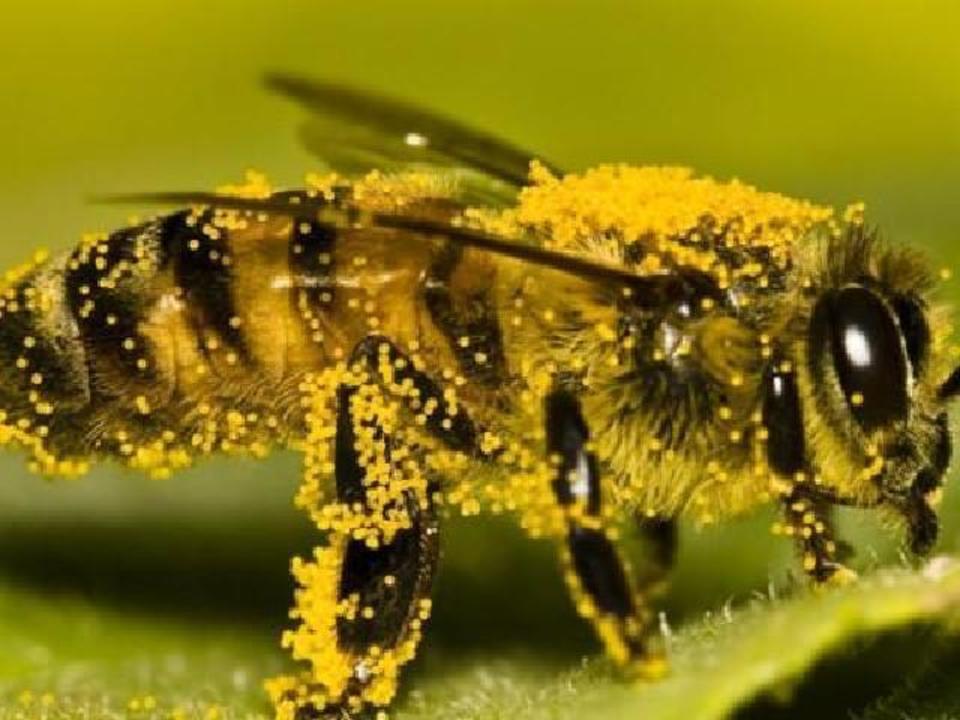
    We should thank a pollinator at every meal. These diminutive creatures fertilize a third of the crops we eat. Yet half of the 200,000 species of pollinators are threatened. Birds, bats, insects, and many other pollinators are disappearing, putting our entire food supply in jeopardy. In North America and Europe, bee populations have already plummeted by more than a third and the population of butterflies has declined 31 percent.

    This Ecological Landscape Alliance Protecting Pollinators online presentation on March 23 at 12:30 EDT explores why the statistics have become so dire and how they can be reversed. Jodi Helmer breaks down the latest science on environmental threats and takes readers inside the most promising conservation initiatives. Efforts include farmers reducing pesticides, cities creating butterfly highways, volunteers ripping up invasive plants, gardeners planting native flowers, and citizen scientists monitoring migration.

    Along with inspiring stories of revival and lessons from failed projects, participants will find practical tips to get involved. They will also be reminded of the magic of pollinators—not only the iconic monarch and dainty hummingbird, but the drab hawk moth and homely bats that are just as essential. Without pollinators, the world would be a duller, blander place. Helmer shows how we can make sure they are always fluttering, soaring, and buzzing around us.

    Jodi Helmer is an author and lecturer specializing in topics about food, farming, and the environment. Ms. Helmer’s work has appeared in publications like Sierra, Entrepreneur, NPR, National Geographic Traveler, AARP, Farm Life, Hemispheres, Civil Eats, The Guardian, JSTOR Daily, Smithsonian.com, Hobby Farms, Out Here/Tractor Supply Company and many more. She is the author of six books, including Protecting Pollinators: How to Save the Creatures that Feed Us. She lives on a small homestead in rural North Carolina where she grows flowers and vegetables, keeps bees and raises chickens, goats and one very spoiled donkey.

    Free for ELA members, $10 for nonmembers. Register at https://www.ecolandscaping.org/event/webinar-protecting-pollinators/