Tag: Carol Govan

  • Friday, April 6, 10:00 am – Charles Darwin

    Carol Govan talks about the personal life, unusual philosophy, and important works of Charles Darwin on April 6 at 10 at the Wellesley College Botanic Garden. English naturalist, geologist and biologist Charles Darwin (1809 – 1882) rocked the world when he published his thesis that plants evolve and change to adapt to their changing habitats. He established that the vast diversity of life on Earth has all descended from common ancestors. Friends of Wellesley College Botanic Gardens, free. Nonmembers $10. Register by calling 781-283-3094 or email bcbgfriends@wellesley.edu.

  • Friday, March 16, 10:00 am – Carl Linnaeus

    Carol Govan talks about the personal life, unusual philosophy, and important works of Carl Linnaeus on Friday, March 16 at 10 at the Wellesley College Botanic Garden. Swedish botanist, physician and zoologist Carl Linnaeus (1707 – 1778) invented an easy method to identify and name all plants, including many previously unknown, sent to him from around the world. The modern system of scientific nomenclature is due to his work. Friends of Wellesley College Botanic Gardens, free. Nonmembers $10. Register by calling 781-283-3094 or email bcbgfriends@wellesley.edu.

  • Tuesday, January 16 – Thursday, January 18, 9:30 am – 12:30 pm – History of Botanical Art Seminar

    Be inspired by the works of many famous and unknown artists who created botanical images for early herbals and documented the discovery of new plants from around the world. This three day Friends of Wellesley College Botanic Gardens class with Carol Govan includes a private viewing of rare botanical art books in Wellesley College’s Margaret Clapp Library Special Collections. January 16 – January 18, 9:30 – 12:30 pm, with a snow date of January 19 if needed. Friends price $120, nonmembers $145. Register at www.wellesley.edu/wcbg/learn.

  • Monday, October 23, 10:00 am – 2:00 pm – Betulaceae Family

    Several interesting woody trees and shrub species form the Betulaceae family, which includes birches and their relatives, alders, hazelnuts, and hornbeams. Their wind-pollinated flowers, although inconspicuous, are very interesting, as is their method of seed dispersal. This New England Wild Flower Society course with Carol Govan provides an overview of what to look for when studying plant families. We will examine similarities and differences among genera and individual species, then head outdoors to explore members of this family in the Garden. The class will be held on Monday, October 23 from 10 – 2 at Garden in the Woods in Framingham. $53 for NEWFS members, $64 for nonmembers. Register at http://www.newfs.org/learn/our-programs/betulaceae-family

  • Monday, October 16, 10:00 am – 2:00 pm – Fagaceae Family

    Learn about the general characteristics and historical importance of Fagaceae, the woody plant family which includes oaks and their relatives, beeches, and American chestnuts. After an introduction to woody plants, we’ll discuss plant features that are useful for understanding and comparing plant families, then examine acorns, twigs, and leaves to learn to distinguish among the common oaks in the area. Later, we’ll walk through the Garden in the Woods in Framingham to look at form, bark, leaves, and growth habit. The New England Wild Flower Society class will take place Monday, October 16, from 10 – 2, and is led by Carol Govan. $53 for members of NEWFS, $64 for nonmembers. Register online at http://www.newfs.org/learn/our-programs/fagaceae-family

  • Friday, April 14, 10:00 am – 12:00 noon – Arums

    On Friday, April 14, beginning at 10 am at the Wellesley College Botanic Gardens, Carol Govan talks about the connections among related arum plants and how they express their genetic heritage in response to their environments. Some are important food crops, some are “delicious,” and others can make you sick. Some look X-rated, and a few can change sex according to the weather. One produces the largest flower in the world, while another is one of the smallest plants around. Learn all about the amazing Araceae family. Wellesley Friends free, nonmembers $10. Pre-registration required. Read more at http://www.wellesley.edu/wcbg/learn/adult_education#gdScv5mOfLKcOHWu.99

  • Thursdays, January 5, March 9, May 4, June 1, August 17, and October 19, 10:00 am – 2:00 pm – New England Habitats

    Join Carol Govan throughout the seasons to learn about the ecology of New England Habitats. Observe the different species in various niches. Whether building on existing identification skills or starting from scratch, students will learn how to define a habitat and identify and document its plants and other interesting wildlife. Each student will find a habitat near his or her home and observe it throughout the seasons, noting seasonal changes. Students will compile, share, discuss their findings and solve mysteries together during class using various media such as photographs, drawings, notes, herbarium specimens, and rubbings. When the weather improves, the class will head outdoors to learn about various habitats at Garden in the Woods. The classes will be held Thursdays, January 5, March 9, May 4, June 1, August 17, October 19, 2017, 10 a.m.-2 p.m.at Garden in the Woods in Framingham. $160 for NEWFS members, $200 for nonmembers. Register online at http://www.newfs.org/learn/our-programs/new-england-habitats

  • Friday, November 18, 10:00 am – 12:00 noon – The Gingers and Their Relatives

    Friday, November 18, 10:00 am – 12:00 noon – The Gingers and Their Relatives

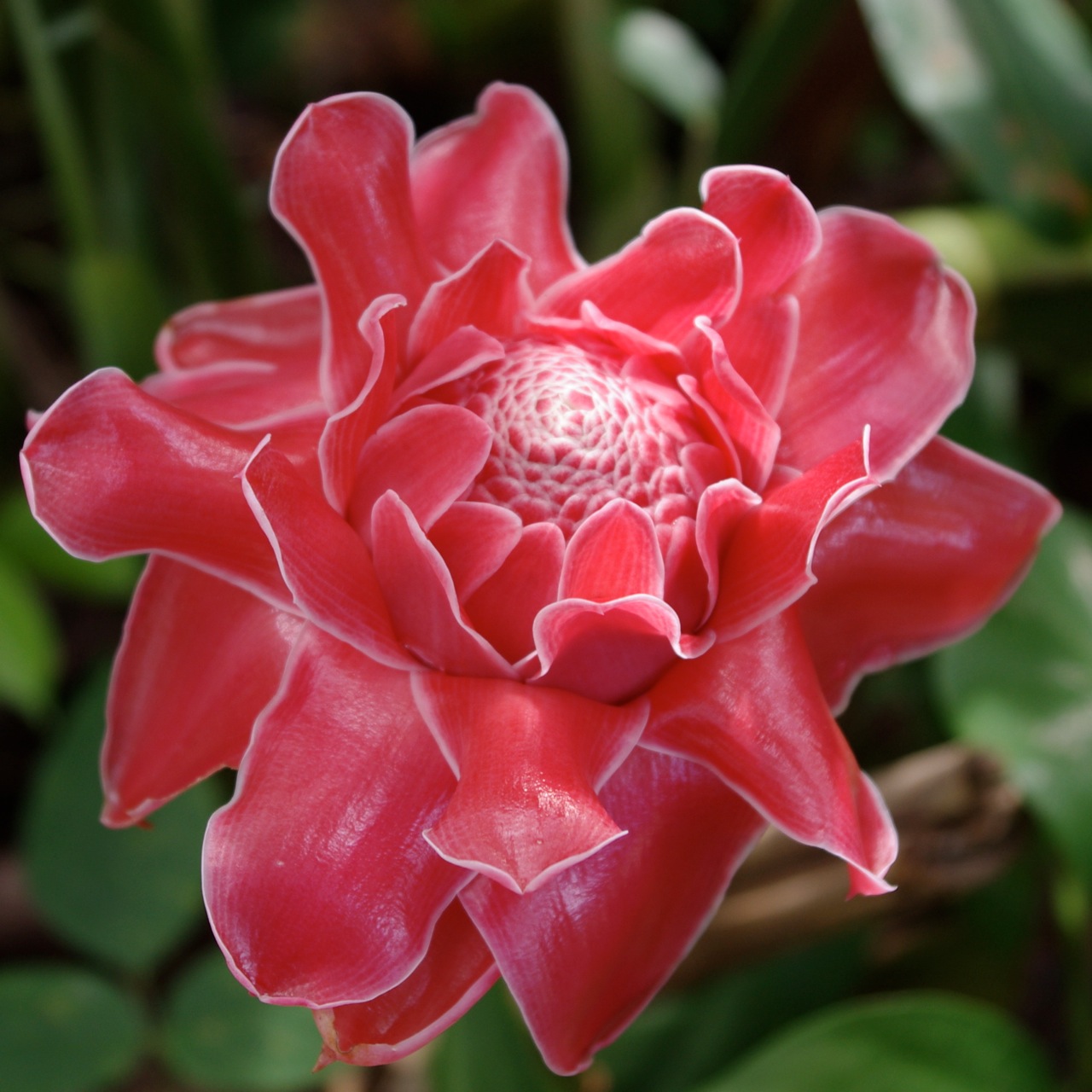
    The final fall installment of the Wellesley College Botanic Gardens‘ Family, Form and Function lectures and greenhouse walks with Carol Govan will take place Friday, November 18 from 10 – 12, when Carol speaks on The Gingers and Their Relatives. Did you know that gingers, bananas, birds of paradise, heliconias, cannas, and prayer plants are all closely related? See a presentation of their unusual adaptations and amazing flowers and stories, then visit them personally in the greenhouses. Wellesley Friends free, nonmembers $10. Register at 781-283-3094.

    Save

    Save

    Save

    Save

  • Friday, October 21, 10:00 am – 12:00 noon – Succulents

    Carol Govan talks about the connections among related plants and how they express their genetic heritage in response to their environments in this Friday, October 21 lecture and greenhouse walk at the Wellesley College Botanic Gardens, beginning at 10 am. Succulents have adapted to habitats that experience temporary drought. Observe the amazing forms, thick, fleshy leaves, stems and branches that help several plant families survive in this unforgiving environment. See Wellesley’s succulent collection, especially those from the cactus family, the most well known succulent.  Friends of Wellesley College Botanic Gardens free, nonmembers $10. Register by calling 781-283-3094.

  • Friday, September 23, 10:00 am – Cycads and Gymnosperms

    Friday, September 23, 10:00 am – Cycads and Gymnosperms

    The Garden Club of the Back Bay will kick off its 2016/2017 lecture series on The Prehistoric Garden on Friday, September 23, with a field trip to the Wellesley College Botanic Garden, 106 Central Street in Wellesley, to hear about Cycads and Gymnosperms.

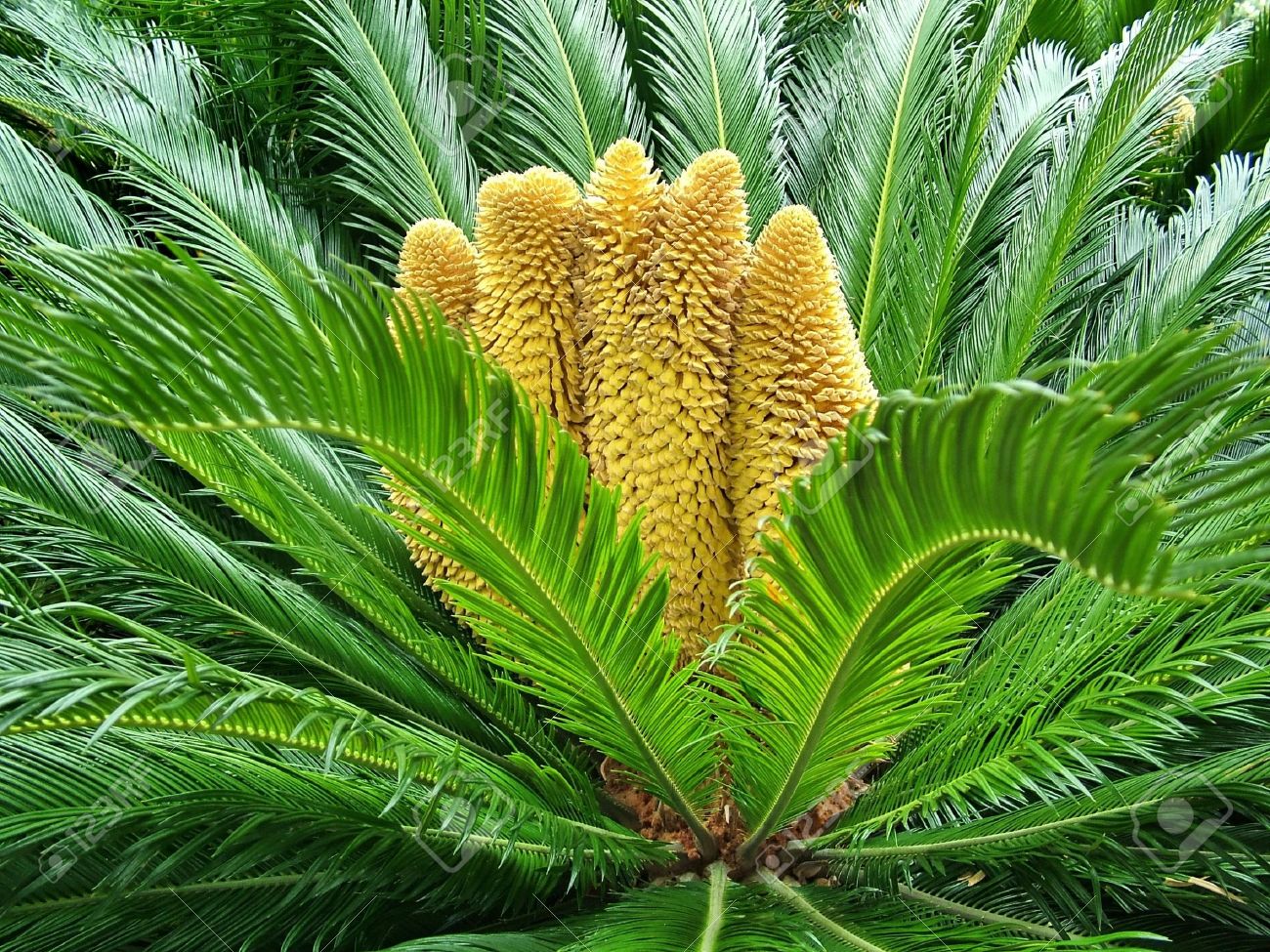
    Carol Govan will talk about the connections among related plants and how they express their genetic heritage in response to their environments. Discover the beauty of the first plants to produce seeds. A remarkable adaptation to help plants survive on land, we will see many examples of cycads, conifers, ginkgo and plants that were dominant during the age of the dinosaurs. See hands-on examples of various twigs, cones and seeds. After the lecture, visit these plants in the greenhouses with Carol. Cycads are seed plants with a long fossil history that were formerly more abundant and more diverse than they are today, according to Wikipedia. The living cycads are found across much of the subtropical and tropical parts of the world. Carol, a professional artist, botanical illustrator, and teacher, is a graduate of New England Wild Flower Society’s Certificate in Native Plant Studies program, which has helped her gain insight into the connection between art and nature. Her work has been featured by the New England Society of Botanical Artists, Duxbury Art Complex, and most recently at the Ashland Public Library. Image below from www.berkeley.edu.

    Club members will receive a written notice of the meeting with car pool information.  The lecture is co-sponsored by The Friends of Wellesley College Botanic Garden and non-club members may register online ($10) at www.wellesley.edu/wcbg/wcbg_friends

    Save

    Save