Tag: Garden History

  • Tuesday, November 12, 4:00 am – 5:30 am Eastern (but recorded) – Poetry and Prose, Online

    The Georgian era is often seen as the pinnacle of garden design in England, as the formal, baroque style of the late 17th century gave way to the looser, more naturalistic designs of what became known as the English Landscape Movement. It was a style that spread around the world.

    This Gardens Trust online series will trace the development of the landscape style, beginning with early examples full of decorative garden buildings and classical allusions, and then the impact of England’s most famous landscape designer, Lancelot ‘Capability’ Brown, who laid out vast parklands with rolling lawns, serpentine lakes and clumps of trees. As we’ll see, the century ended with a clash between the wild, rugged aesthetic of the Picturesque and the start of a return to formality and ornamentation in garden-making.

    As well as examining individual gardens and designers, we will explore some of the myriad social and economic influences at work on Georgian design. These included political upheaval, changing land use, foreign trade and the lure of exoticism, alongside the impact of the European ‘Grand Tour’ undertaken by wealthy men, which instilled an admiration for classical art and poetry, and for French and Italian landscape painting.

    The second talk of the Gardens Trust series takes place November 12 with Judith Hawley. Gardens are composed of earth, air, water and living things but they are sometimes composed by writers; this is particularly the case in the eighteenth century. Joseph Addison and Alexander Pope fostered the adoption of classical ideals of gardening derived from the writings of Homer, Virgil, Cicero and Horace. The gardens at Stowe, Stourhead, Cirencester and Rousham Park as well as Pope’s more modest garden in Twickenham attempt to embody classical ideals of arcadian simplicity, virtuous self-sufficiency and temporary retirement from the busy world. The influences were not only classical: eighteenth-century gardens proudly foregrounded British traditions in the form of Druidical and Gothic elements. Literature also features in the placing of quotations around gardens. As well as considering famous and great gardens, Judith will also briefly touch on some of the more eccentric ones such as those created by William Stukeley, Jonathan Tyers and Francis Dashwood.

    Judith Hawley is Professor of Eighteenth-Century Literature at Royal Holloway, University of London. She has published and broadcast on a range of eighteenth-century literary and cultural topics. As Trustee of the Pope’s Grotto Preservation Trust and The London Luminaries she is involved in bringing the heritage of West London to a wider audience. For ticket information visit https://www.eventbrite.co.uk/e/a-history-of-gardens-3-tickets-1011314337407. Image below: Nathaniel Parr, after Pieter Andreas Rysbrack, An Exact Draught and View of Mr Pope’s House at Twickenham (1735), © London Borough of Richmond upon Thames Art Collection

  • Tuesday, November 5, 5:00 am – 6:30 am Eastern (but recorded) – 18th Century Gardens: Early Landscape Gardens, Online

    The Georgian era is often seen as the pinnacle of garden design in England, as the formal, baroque style of the late 17th century gave way to the looser, more naturalistic designs of what became known as the English Landscape Movement. It was a style that spread around the world.

    This Gardens Trust online series will trace the development of the landscape style, beginning with early examples full of decorative garden buildings and classical allusions, and then the impact of England’s most famous landscape designer, Lancelot ‘Capability’ Brown, who laid out vast parklands with rolling lawns, serpentine lakes and clumps of trees. As we’ll see, the century ended with a clash between the wild, rugged aesthetic of the Picturesque and the start of a return to formality and ornamentation in garden-making.

    As well as examining individual gardens and designers, we will explore some of the myriad social and economic influences at work on Georgian design. These included political upheaval, changing land use, foreign trade and the lure of exoticism, alongside the impact of the European ‘Grand Tour’ undertaken by wealthy men, which instilled an admiration for classical art and poetry, and for French and Italian landscape painting.

    The first of the series of five lectures begins Tuesday, November 5 with Oliver Cox. Often presented as a dramatic shift, the change from baroque designs to the landscape style, in reality, happened gradually over many years. Early glimpses of irregular layouts and whimsical features started to appear alongside the blurring of boundaries between gardens and the wider rural landscape. With wars in Europe and shifting political values at home, there was perhaps a desire for a less grandiose, more patriotic garden style, and so stiff baroque geometry slowly softened into gentler glades, serpentine lakes, irregularly placed garden buildings and allusions to classical and British myths and legends. Designers such as Charles Bridgeman and William Kent (who memorably ‘leaped the fence and saw that all nature was a garden’) were among the leading figures in the emerging naturalistic style.

    Many significant 18th-century gardens – Chiswick House, Rousham, Castle Howard, Studley Royal, Stowe and Stourhead – remain today as well-loved visitor attractions, and their stories have much to tell us about the values, influences and aesthetics of the early landscape garden-makers.

    Dr Oliver Cox is a historian by training and received his undergraduate, masters and doctoral degrees from the University of Oxford. His recent publications include contributions to The Country House: Past, Present and Future (Rizzoli International Publications, 2018); Sport and Leisure in the Irish and British Country House (Four Courts Press, 2019), and journal articles including the challenges of interpreting eighteenth-century spaces for twenty-first-century visitors. He also writes regularly for Apollo and is a frequent contributor to television and radio programs. Currently, he is Head of Academic Partnerships at the Victoria and Albert Museum (V&A).

    This ticket link is for the third series of 5 talks in our History of Gardens Course at £35 or you may purchase a ticket for individual talks, costing £8 via the links found at https://www.eventbrite.co.uk/e/a-history-of-gardens-3-tickets-1011314337407. (Gardens Trust members £6 each or all 5 for £26.25).

    Ticket holders can join each session live and/or view a recording for up to 2 weeks afterwards. Image below: Coplestone Warre Bampfylde, The Grotto, Stourhead, 1753. Copyright the Trustees of the British Museum. Shared under a CC BY-NC-SA 4.0 license

  • Tuesday, May 7, 5:00 am – 6:30 am Eastern (but recorded) – Early Mughal Gardens

    This five week online course from the Gardens Trust will be suitable for anyone curious about gardens and their stories – whether absolute beginners or those with some garden history knowledge. Running from April 14 – May 14, the course aims to help participants recognize important eras, themes and styles in mainly British garden history from the earliest times to today, grasp something of the social, economic, political and international contexts in which gardens have been created and find greater pleasure in visiting historic gardens. You can sign up for whole series or dip into individual talks. There will be opportunities to discuss issues with speakers after each talk, and short reading lists for further exploration.

    Week Four on May 7 is Early Mughal Gardens with Ratish Nanca. Babur (1483-1530), founder of the Mughal dynasty, considered Samarqand (Uzbekistan) his rightful kingdom and ruled from Kabul for almost two decades. Gardens in this part of Central Asia were the predominant places for both court-life and entertainment. Babur and his successors also ruled Hindustan (northern India) from the early 16th century for over 300 years. Similar gardens were not easily possible in the heat of Hindustan, plus Indian rivers were ‘sea-like’ and did not resemble the streams that were channelized through Afghan and Central Asian gardens. So Babur set about building char-baghs (four-part gardens) on a pattern familiar to him. His successors, principally, Akbar, Jahangir and Shahjahan enthusiastically followed suit.The Mughal Garden traditions of flowing water, raised pathways, geometric layouts and enclosed gardens were consistent across Kashmir, Kabul, Lahore, Agra and elsewhere in the Mughal empire. Recent work by the Aga Khan Trust for Culture has also revealed that similar traditions were followed by the Qutb Shahi Sultans at Golconda in southern India.

    Ratish Nanda, Conservation Architect, is India CEO for the Aga Khan Trust for Culture. He heads the interdisciplinary AKTC teams presently undertaking the two major urban conservation projects in India: the Nizamuddin Urban Renewal Initiative, Delhi and the Qutb Shahi Heritage Park Conservation in Hyderabad. For AKTC, he was earlier responsible for the Baghe Babur restoration (2002-2006), in Kabul, Afghanistan and the garden restoration of Humayun’s Tomb (1999-2003). His major publications include Delhi, the Built Heritage: A listing, released by the Prime Minister of India (INTAC, 1999); Delhi: Red Fort to Raisina (Roli Books, 2012); Conservation of Historic Graveyards (Scotland) (Historic Scotland, 2001) and Rethinking Conservation: Humayun’s Tomb (Mapin, 2015).

    For tickets, visit www.eventbrite.co.uk Ticket holders can join each session live or view a recording for up to 2 weeks afterwards. £8 each or all 5 for £35 (Gardens Trust members £6 each or all 5 for £26.25) Attendees will be sent a Zoom link 2 days (and again a few hours) prior to the start of the first talk (If you do not receive this link please contact us), and a link to the recorded session will be sent shortly after each session and will be available for 2 weeks.

  • Tuesday, April 30, 5:00 am – 6:30 am Eastern (but recorded) – Medieval Gardens, Online

    This five week online course from the Gardens Trust will be suitable for anyone curious about gardens and their stories – whether absolute beginners or those with some garden history knowledge. Running from April 14 – May 14, the course aims to help participants recognize important eras, themes and styles in mainly British garden history from the earliest times to today, grasp something of the social, economic, political and international contexts in which gardens have been created and find greater pleasure in visiting historic gardens. You can sign up for whole series or dip into individual talks. There will be opportunities to discuss issues with speakers after each talk, and short reading lists for further exploration.

    Week Three on April 30 is Medieval Gardens with Katie Campbell. Little archaeological evidence remains of the gardens created between the fall of the Roman empire and the rise of the Renaissance a millennium later; luckily, illustrated prayer books and calendars from the period provide lush and detailed images which can teach us much about the medieval garden. While utilitarian plots of the peasantry focused on root vegetables and cereals, religious institutions like the ninth century St Gall monastery provided medicinal herbs and flowers for the altar as well as food for paupers and pilgrims. Meanwhile royals cavorted in pleasure grounds like those at Woodstock where Henry II wooed his mistress amid elaborate labyrinths and water gardens. This talk will explore the range and evolution of the medieval garden.

    Katie Campbell is a writer and garden historian. She lectures widely, has taught at Birkbeck, Bristol and Buckingham universities; she writes for various publications, and leads art and garden tours. Her most recent book, Cultivating the Renaissance (Routledge, 2021) , explores the evolution of Renaissance ideas and aesthetics through the Medici Tuscan villas. Her previous book, British Gardens in Time (Quarto, 2014), accompanied the BBC television series. Earlier works include Paradise of Exiles (Francis Lincoln, 2009), looking at the late nineteenth century Anglo-American garden-makers in Florence, Icons of Twentieth Century Landscape Design (Frances Lincoln, 2006) and Policies and Pleasaunces (Barn Elms, 2007), a Guide to Scotland’s Gardens.

    For tickets, visit www.eventbrite.co.uk Ticket holders can join each session live or view a recording for up to 2 weeks afterwards. £8 each or all 5 for £35 (Gardens Trust members £6 each or all 5 for £26.25) Attendees will be sent a Zoom link 2 days (and again a few hours) prior to the start of the first talk (If you do not receive this link please contact us), and a link to the recorded session will be sent shortly after each session and will be available for 2 weeks.

  • Tuesday, April 23, 5:00 am – 6:30 am Eastern (but recorded) – First Gardens, Online

    This five week online course from the Gardens Trust will be suitable for anyone curious about gardens and their stories – whether absolute beginners or those with some garden history knowledge. Running from April 14 – May 14, the course aims to help participants recognize important eras, themes and styles in mainly British garden history from the earliest times to today, grasp something of the social, economic, political and international contexts in which gardens have been created and find greater pleasure in visiting historic gardens. You can sign up for whole series or dip into individual talks. There will be opportunities to discuss issues with speakers after each talk, and short reading lists for further exploration.

    Week Two on April 23 is First Gardens with Katie Campbell. The history of horticulture is essentially a history of conquest. As one empire conquered another, it would adopt and adapt the best garden practice from the vassal state. Whether Sumerian hunting parks filled with exotic plants, or the hanging gardens of Babylon which presented a green mountain on a flat plain, the Egyptian tomb gardens with their ingenious irrigation techniques, or the Greek botanists whose influence would dominate medicine for centuries to come, each of the early empires has shaped our understanding of the garden. This talk will explore the development of horticulture from its origins in the fertile triangle between the Tigris and Euphrates rivers to its apogee in the Roman villas which became a major inspiration to the garden makers of the Renaissance a thousand years later.

    Katie Campbell is a writer and garden historian. She lectures widely, has taught at Birkbeck, Bristol and Buckingham universities; she writes for various publications, and leads art and garden tours. Her most recent book, Cultivating the Renaissance (Routledge, 2021) , explores the evolution of Renaissance ideas and aesthetics through the Medici Tuscan villas. Her previous book, British Gardens in Time (Quarto, 2014), accompanied the BBC television series. Earlier works include Paradise of Exiles (Francis Lincoln, 2009), looking at the late nineteenth century Anglo-American garden-makers in Florence, Icons of Twentieth Century Landscape Design (Frances Lincoln, 2006) and Policies and Pleasaunces (Barn Elms, 2007), a Guide to Scotland’s Gardens.

    For tickets, visit www.eventbrite.co.uk Ticket holders can join each session live or view a recording for up to 2 weeks afterwards. £8 each or all 5 for £35 (Gardens Trust members £6 each or all 5 for £26.25) Attendees will be sent a Zoom link 2 days (and again a few hours) prior to the start of the first talk (If you do not receive this link please contact us), and a link to the recorded session will be sent shortly after each session and will be available for 2 weeks.

    Image: 20th century facsimile of a Funeral Ritual in a Garden, Tomb of Minnakht, ca. 1479–1425 B.C., The Met Museum, Rogers Fund, 1930. Public domain

  • Tuesday, April 16, 5:00 am – 6:30 am Eastern (but recorded) – History of Gardens: Elizabethan Gardens, Online

    This five week online course from the Gardens Trust will be suitable for anyone curious about gardens and their stories – whether absolute beginners or those with some garden history knowledge. Running from April 14 – May 14, the course aims to help participants recognize important eras, themes and styles in mainly British garden history from the earliest times to today, grasp something of the social, economic, political and international contexts in which gardens have been created and find greater pleasure in visiting historic gardens. You can sign up for whole series or dip into individual talks. There will be opportunities to discuss issues with speakers after each talk, and short reading lists for further exploration.

    Week One on April 16 is Elizabethan Gardens with Jill Francis. From the magnificent gardens of the Queen’s Royal palaces to the fabulous show gardens of her courtiers which acted as a backdrop to elaborate entertainments, to the creation of the gardens of the gentry, to the productive plots of land that would have surrounded all but the smallest of dwellings, Elizabethan gardens were characterized by symmetry, proportion and harmony, in tune with the relative peace and prosperity of the age. This talk will explore a range of gardens right across the social spectrum, looking at how they were created, how they were used and how they reflected the social status of their owners.

    Jill Francis is an early modern historian, specializing in gardens and gardening in the late-sixteenth and early-seventeenth centuries. She was awarded her PhD in 2011 by the University of Birmingham where she teaches as a visiting lecturer for both the Centre for Midlands History and Cultures and contributes to the Winterbourne House and Gardens program of activities. She is an occasional lecturer in a variety of Garden History fora and is now specifically involved with delivering the online program for the Gardens Trust. She also works at the Shakespeare Institute Library in Stratford-upon-Avon. Her book, Gardens and Gardening in Early Modern England and Wales, was published by Yale University Press in June 2018.

    For tickets, visit www.eventbrite.co.uk Ticket holders can join each session live or view a recording for up to 2 weeks afterwards. £8 each or all 5 for £35 (Gardens Trust members £6 each or all 5 for £26.25) Attendees will be sent a Zoom link 2 days (and again a few hours) prior to the start of the first talk (If you do not receive this link please contact us), and a link to the recorded session will be sent shortly after each session and will be available for 2 weeks.

  • Tuesday, October 25, 1:00 pm – 2:00 pm – Living Landscapes: Garden History of Cemeteries, Online

    As important designed landscapers in their own right, Sheldon Goodman will explore the people behind their histories, such as the disabled cemetery designer whose wife was one of the first women sci-fi writers and the horticultural family who populated Abney Park with tree specimens that still exist today.

    This free talk is part of the Lottery funded Engaging With Our Future project at The Gardens Trust – a program of activity which aims to reach out to new audiences and attract new supporters.

    Attendees will be sent a Zoom link 2 days prior to the start of the talk, and again a few hours before the talk. Register HERE.

    Sheldon K. Goodman is a public historian, media producer, museum professional and qualified City of Westminster Guide who loves sharing his passion for history and heritage with audiences and institutions. Passionate about public engagement, Sheldon’s approach is to make history as accessible as possible. He is an Associate fellow of the Royal Historical Society and a member of the Victorian Society. In 2013, Sheldon founded The Cemetery Club which produces films, talks and tours of cemeteries.

  • Sunday, September 11, 1:00 pm – Botanical World History: The Power of a Plant, Online

    On Sunday, September 11 online, join plants and gardens historian, Dr. Toby Musgrave, as he holds a botanical prism to world history and offers a fresh perspective. From your morning cup of tea to the spark of the Opium Wars, plants play a remarkable role in our daily lives and our politics. During our time together we will explore the role that cash crops such as corn, cotton, coffee, palm oil, tobacco, sugar cane, and others play in the global economy.

    Together we will discover the eight ”Founder Crops” which facilitated the Neolithic Revolution and the start of civilization. Spices were the driving force for the Age of Discovery, the resultant post-Columbian colonization of the Americas, and the arrival in Europe of the potato, which played such a tragic role in the story of Ireland. And another Mesoamerican plant – tobacco – shaped the emergence of the United States.

    Sugar and cotton gave rise to and supported the transatlantic Slave Trade and the resultant oppression, exploitation, and death of so many million Africans. Cotton stimulated both the British East India Company’s acquisition of India and the Industrial Revolution and was a causal factor of the American Civil War. 

    Simple opium plants sparked the international Opium Wars –  sales to China made the British Government the biggest drug cartel the world has seen. Quinine enabled the colonization of Africa, while rubber was key to the advance of the automotive industry. Most of these plants continue to play a major role on the global stage and have been joined by others including corn and palm oil. When we pause to consider the impact, the wider worldwide scope of influence these plants have had is substantial. 

    Led by an expert on plants and garden history, Dr. Toby Musgrave, this interactive seminar is designed to inform curiosity as well as future travels. Participants will come away with increased knowledge and understanding of the power of plants in shaping the landscape of human history books.

    Dr. Toby Musgrave is a foremost authority on the subjects of garden and plant history and design, about which he has authored or co-authored 18 books. Most recently The Garden: Elements and Styles and The Multifarious Mr. Banks. He is a part-time Faculty Lecturer at the Danish Institute of Studies Abroad in his adopted country, Denmark, where he teaches American study abroad students. Between semesters he works as a gardens tour leader and as a lecturer aboard small, expedition cruise ships. Additionally, he acts as a consultant to various garden restoration projects and has written numerous articles for a range of magazines and newspapers including The Garden, Gardens Illustrated, The English Garden, Country Life, The Times, The Telegraph, Haven, and Jyllands Posten. His own garden is one of the de Runde Haver. For more information about Toby and his work please visit www.TobyMusgrave.com.

    This Context Learning webinar is $26.50, and if you can’t make this time, a video recording will be sent after the seminar to enjoy later. Register at www.contextlearning.com

  • Thursday, January 24, 11:00 am – Rosecliff-Hangers: Stories from the Rose Garden

    Jim Donahue, Preservation Society of Newport County Curator of Historic Landscapes & Horticulture, presents Rosecliff-Hangers on Thursday, January 24 at 11.

    Join us at the newly refurbished Rosecliff rose garden in Newport for tales of intrigue and murder, part of the long and complicated history of the property. Hear about how ‘Rose Clyffe’s’ original owner – noted diplomat, 19th century historian and rosarian George Bancroft – was involved.

    Advance ticket purchase is required. Preservation Society Members $10/General Public $15. Register at www.newportmansions.org.

    Image result for George Bancroft Roseclyff

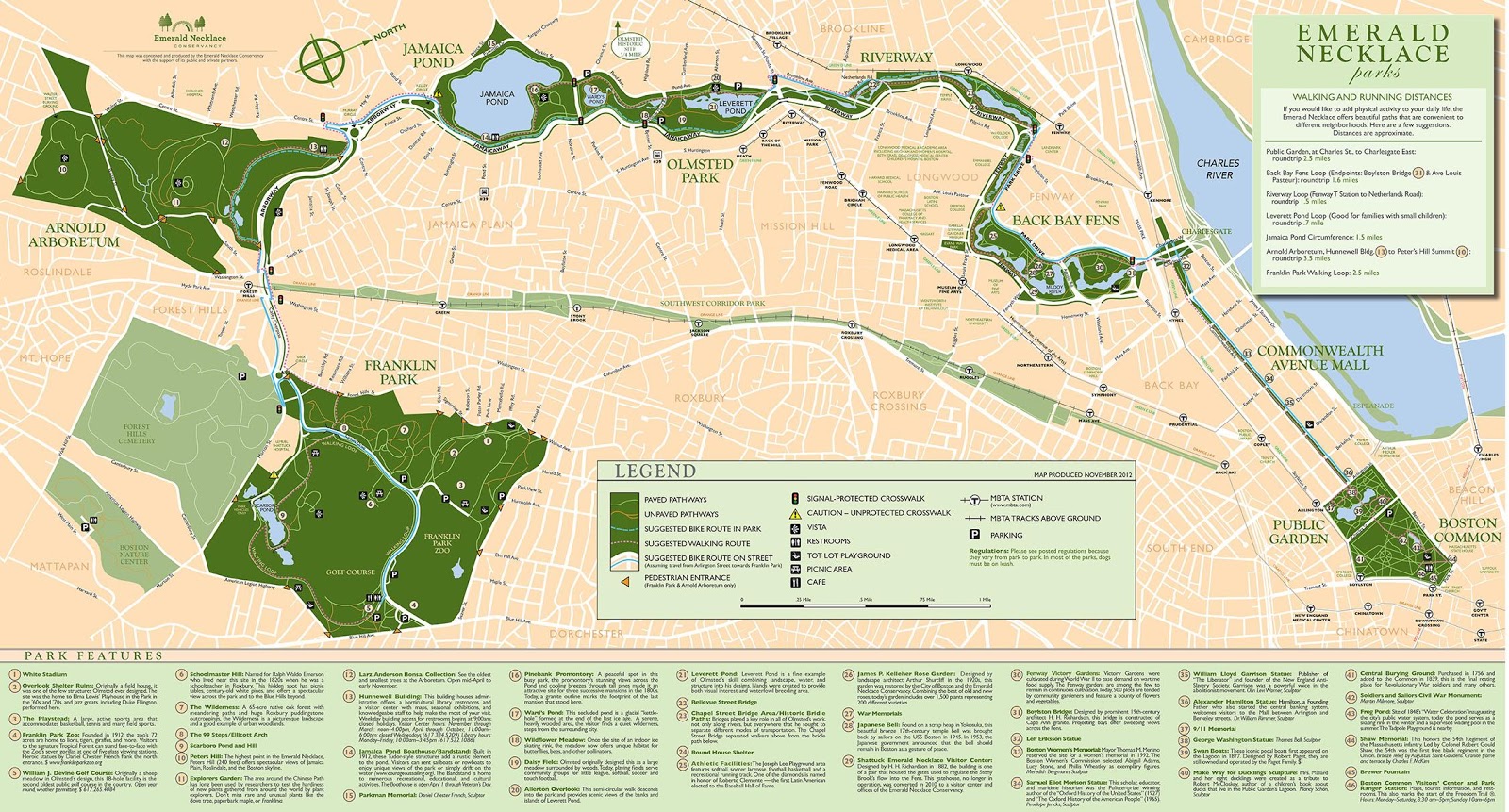
  • Saturday, October 20, 1:30 pm – 3:00 pm – Tracing Conservation History: Back Bay

    Saturday, October 20, 1:30 pm – 3:00 pm – Tracing Conservation History: Back Bay

    Who and what inspired current practices and perspectives in plant protection? This October 20th walking tour from 1:30 – 3 with landscape historian Courtney Allen leads participants on a journey of the conservation movement at the turn of the twentieth century. Discover historic local efforts and their impact on the national conversation, right at the Society’s birthplace. Wear walking shoes and dress for the weather. Meeting place will be sent upon registration. $24 for New England Wild Flower Society members, $28 for nonmembers. Register online at www.newenglandwild.org.

    Image result for Back Bay conservation history