Tag: Jay Livingstone

  • Urgent Advocacy Alert for Winthrop Square Proposal

    Urgent Advocacy Alert for Winthrop Square Proposal

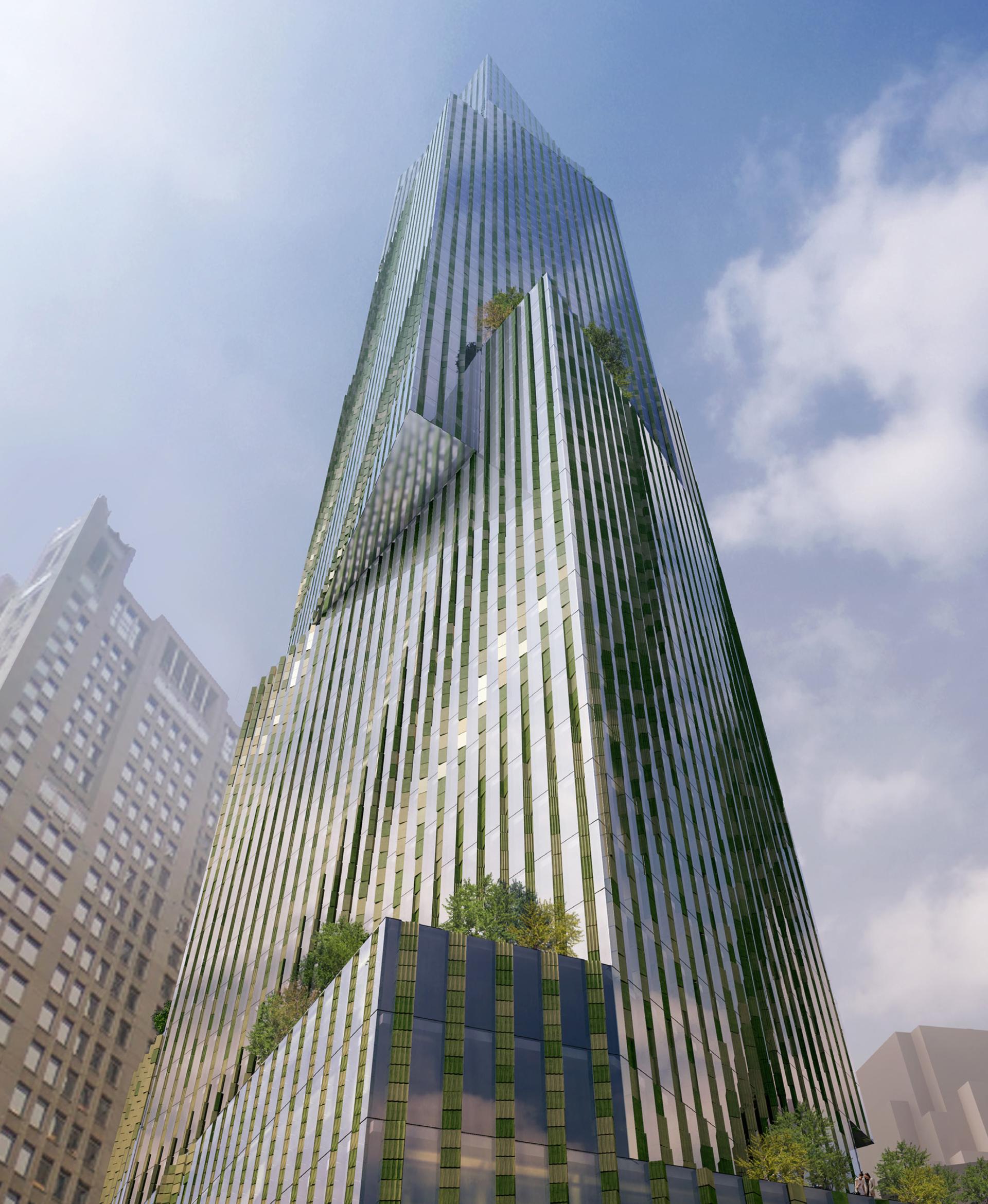
    Now is the time to let the Boston Planning and Development Authority (BPDA) and your elected officials know your opinion about the Winthrop Square development proposal and the threat of shadows on our parks.  Below is a picture of where the new shadow would fall should this immense building be erected.

    The deadline for BPDA public comment period on the Winthrop Square proposal is January 20, 2017 (NEW DATE). Please email the Project Manager, Ms. Casey Hines, at casey.a.hines@boston.gov as well as call your elected officials including the City Council and the Mayor with your comments about shadows and our parks.

    Individual messages are the most impactful, and please include your personal thoughts about these iconic parks.

    We have included some of the important talking points about the Winthrop Square proposal.

    Winthrop Square proposal violates the State’s shadow laws
    Preserve sunlight, prevent shadow creep in our historic parks
    Amending the shadow laws would set precedent for future developers to seek exemptions resulting in more shadows on the two parks.
    There should be a comprehensive, long-term development policy, not one-off decisions or exceptions
    Boston Common and the Public Garden are national treasures and would be damaged by the shadows. Both are on the State and National Registers of Historic Places, and are City and National Landmarks.

    Below is the list of emails (formatted so you can copy and paste) and phone numbers of the elected officials, City Councilors, and the Mayor.

    Mayor Marty Walsh 617-635-4500 mayor@boston.gov

    State elected officials:
    Byron Rushing 617-722-2783 byron.rushing@mahouse.gov
    Joe Boncore 617-722-1634 joseph.boncore@masenate.gov
    Aaron Michlewitz 617-722-2220 aaron.michlewitz@mahouse.gov
    William Brownsberger 617-722-1280 william.brownsberger@masenate.gov
    Jay Livingstone 617-722-2396 jay.livingstone@mahouse.gov

    Boston City Councilors:
    Michelle Wu 617-635-3115 michelle.wu@boston.gov
    Frank Baker 617-635-3455 frank.baker@boston.gov
    Andrea Campbell 617-635-3131 andrea.campbell@boston.gov
    Mark Ciommo 617-635-3113 mark.ciommo@boston.gov
    Annissa Essabi George 617-635-4376 a.e.george@boston.gov
    Michael Flaherty 617-635-4205 michael.f.flaherty@boston.gov
    Tito Jackson 617-635-3510 tito.jackson@boston.gov
    Sal LaMattina 617-635-3200 salvatore.lamattina@cityofboston.gov
    Bill Linehan 617-635-3203 bill.linehan@cityofboston.gov
    Timothy McCarthy 617-635-4210 timothy.mccarthy@boston.gov
    Matt O’Malley 617-635-4220 matthew.omalley@boston.gov
    Ayanna Pressley 617-635-4217 ayanna.pressley@boston.gov
    Josh Zakim 617-635-4225 josh.zakim@boston.gov

    Comments can also be left on the BPDA Winthrop Square page.

    http://www.bostonplans.org/projects/development-projects/115-winthrop-square

  • CALL TO ACTION: Gas Leaks in Back Bay and Across the Commonwealth

    According to the Massachusetts Chapter of the Sierra Club, Massachusetts has one of the nation’s oldest natural gas pipeline systems, and it is showing its age. Gas pipes around the Commonwealth have more than 25,000 leaks, losing more than eight billion cubic feet of natural gas into the air every year – and possibly as much as nineteen billion cubic feet.

    Natural gas leaks kill trees by attracting bacteria to their roots, are harmful to human health, are an extraordinary potent greenhouse gas, waste a valuable fossil fuel that has been harvested through fracking, and can potentially cause explosions.

    In addition, utilities don’t pay for the gas that is wasted through leaks, but pass that cost onto ratepayers by factoring it into the price the pay. Nor are the utilities required to repair any leaks, unless a leak is considered potentially explosive. Leaks never get any better; they only get worse over time.

    In 2015, for the first time, utilities in Massachusetts reported on the location of natural gas leaks in their territories. A nonprofit group called the Home Energy Efficiency Team (HEET) has used those reports to create Google maps of the reported leaks, which you can see by clicking here. Using those maps, you can zoom in on your neighborhood to find out where there are local gas leaks (as reported by the utilities in March 2015).

    For example, downtown Boston (which includes Back Bay) was reported to have 246 unrepaired leaks as of February 26, 2015. Importantly, one of HEET’s solutions is for all of us to support state legislation that will help solve the problem. Two such legislative bills are currently pending in the Massachusetts Legislature:

    A Bill Protecting Consumers (H2870): This bill, if passed, would prohibit utility companies from passing the cost of wasted gas onto consumers, incentivizing them to fix the leaks as quickly and cost effectively as possible.

    A Bill Requiring Gas Leak Repairs During Road Projects (H2871): This bill, if passed, would require gas companies to check and repair all gas leaks whenever a street is already open for construction. Repairing leaks before repaving is not only cheaper for the utility companies, it also decreases the chance the street will need to get opened up soon afterward for pipeline repairs, reducing future street repaving needs (and costs) for the local municipality and disruption for nearby residents.

    We therefore urge you to contact your State Representative and State Senator to express your support for both of these important bills. If you live in the Back Bay, your State Representative is Jay Livingstone (Jay.Livingstone@mahouse.gov) or Byron Rushing (Byron.Rushing@mahouse.gov) and your State Senator is William Brownsberger (William.Brownsberger@masenate.gov). The more voters who speak out in favor of these bills, the better the chance is that they will be enacted into law.