Enjoy the blending of art and ecology from May 6-June 18 at the Marblehead Arts Association exhibit Resilient Landscapes of Marblehead and Cape Ann: Viewed through the Prism of Ecology and Stories. Resilient landscapes, as defined by The Nature Conservancy, preserve biodiversity and sustain natural strongholds. They help us endure and survive as humans. But they need care, maintenance and management in order to sustain these special qualities. Unspoiled open spaces and landscapes are part of our legacy to our children and grandchildren. We look at the resilient landscape through the lens of stories which illustrate ’emotional geography.’
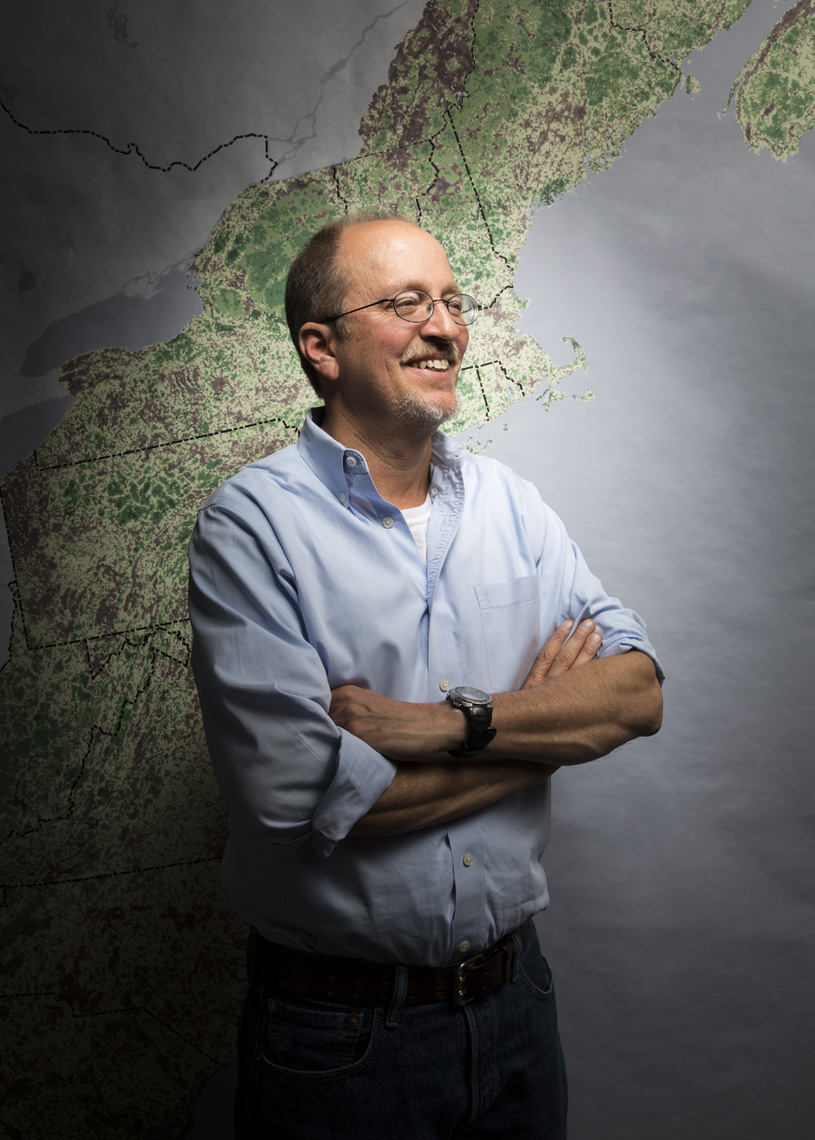
The Nature Conservancy (TNC), drawing on cutting-edge research by Dr. Mark Anderson, defines a climate-change resilient site as “an area of land with sufficient variability and microclimate options to enable species and ecosystems to persist in the face of climate change, and which will maintain this ability over time.” By examining TNC resilience maps for both Halibut Point and Dogtown (below) we see how the varied landforms with steep elevational changes—the rocky coastland, upland forests, and water-covered quarries—create microclimates that provide temperature and moisture options for wildlife and plants. These microclimates allow the inhabitant to persist at the site and buffer them from the effects of the regional climate. A recent study by the Nature Conservancy identified the Dogtown quarries and Halibut Point as among the most resilient places within the North Atlantic Coastal region.
Susan Quateman and Leslie Bartlett, SQ /LB Artist Collaboration, are landscape and environmental artists on Boston’s North Shore. Susan is a silk painter, urban planner and writer; Leslie is a photographer, local historian and graphic designer. We fuse our skills to create vibrant silk paintings, photography and text for indoor/outdoor art exhibits on the effects of climate change on the coastal landscape. Susan is from London, UK;
Leslie from Epsom, New Hampshire.
The Marblehead Arts Association is located at 8 Hooper Street in Marblehead. Call 781-631-2608 for hours and other information.