Tag: New England Wild Flower Society

  • Thursdays, January 10 – 24, 10:00 am – 3:30 pm – Conservation Biology

    Thursdays, January 10 – 24, 10:00 am – 3:30 pm – Conservation Biology

    This three part New England Wild Flower Society introduction to conservation biology and biodiversity with Nancy Eyster-Smith covers the factors that make a species vulnerable to extinction and the strategies and tools that can be used to protect plants and ecosystems. The course explores the interdisciplinary nature of conservation biology through readings, group exercises, and video clips. Participants receive a bibliography of resources for further study. Classes will be held at Garden in the Woods in Framingham on January 10, 17, and 24 from 10 – 3:30. Bring a bag lunch. $254 for NEWFS members, $300 for nonmembers. Register at http://www.newenglandwild.org/learn/our-programs/conservation-biology

    Image result for conservation biology

  • Friday, December 14, 1:00 pm – 2:00 pm – Life in the Clouds: New England’s Alpine Plants Webinar

    Friday, December 14, 1:00 pm – 2:00 pm – Life in the Clouds: New England’s Alpine Plants Webinar

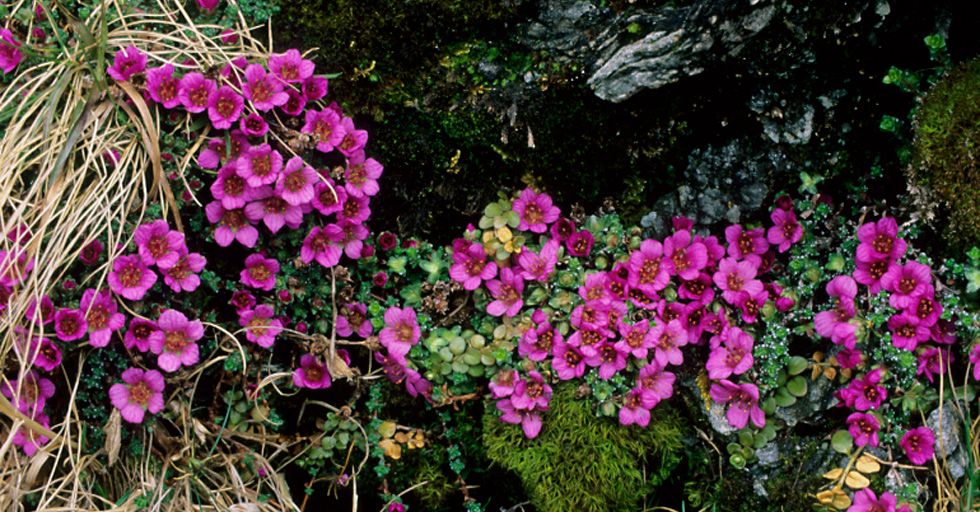
    This New England Wild Flower Society webinar on December 14 from 1 – 2 pm takes participants on a survey of some of the region’s most extreme and beautiful habitats, New England’s high mountain summits. Join Research Botanist Arthur Haines as he addresses a broad survey of plants adapted to these habitats, showing the physical characteristics of the sites and various adaptations that plants use to live at high elevation. $10 for NEWFS members, $13 for nonmembers.  Register at http://www.newenglandwild.org/learn/our-programs/life-in-the-clouds-new-england2019s-alpine-plants

    Image result for new england's alpine plants

  • Saturday, December 8, 1:00 pm – 4:00 pm – Propagating Native Plants from Seed, Part I: Dormancy and Sowing Techniques

    On Saturday, December 8, from 1 – 4 at Nasami Farm in Whately, learn to propagate native plants from seed in the first session of this two-part, hands-on workshop that focuses on practical methods for small-scale propagation. This workshop is appropriate for beginners and propagators with some experience. Take one or both classes. Part 1 explores seed biology, overcoming dormancy, and sowing techniques. $40 for New England Wild Flower Society and Northeast Organic Farmers Association members, $48 for nonmembers. Kate Stafford leads the class. Register at http://www.newenglandwild.org/learn/our-programs/propagating-native-plants-from-seed-part-1-dormancy-and-sowing-techniques

    Image result for dormant seed

  • Saturday, December 1, 11:00 am – 2:00 pm – Weeds and Wildflowers in Winter

    This New England Wild Flower Society class on December 1 from 11 – 2 focuses on the identification of herbaceous plants in winter—both native and naturalized species of wildflowers and grasses. Students look closely at the distinctive winter characteristics of these species that allow them to be identified well past their flowering and fruiting period. The session, taught by Ted Elliman, will take place at the Barber Town Reservation in Sherborn. $28 for NEWFS members, $35 for nonmembers. Register online at www.newenglandwild.org. Image from www.birdsoutsidemywindow.org.

    Image result for weeds and wildflowers in winter

  • Wednesday, November 28, 10:00 am – 12:00 noon – Low Maintenance Gardening

    While native plants are said to be well-adapted to New England, that doesn’t mean just any native will do. Though trilliums and lady slippers are beautiful, they rarely thrive in built landscapes without considerable care. The good news for landscape designers and gardeners is that there is a long list of native plants that are strong performers in a designed landscape and perform well. Choosing certain species can produce built landscapes that require little care after they’ve been established. Join Dan Jaffe at Garden in the Woods on November 28 from 10 – noon to learn about plants that thrive and spread on their own, and even weed the garden. Dan Jaffe is the propagator and stock bed grower at New England Wild Flower Society (NEWFS) in Framingham, Massachusetts. He earned a degree in botany from the University of Maine and an advanced certificate in Native Plant Horticulture and Design from NEWFS. After interning at Garden in the Woods, Dan worked for a year as Plant Sales Coordinator at the Garden. The program is sponsored by the Ecological Landscape Alliance and is $26 for members, $32 for nonmembers. Register at https://www.ecolandscaping.org/event/class-low-maintenance-gardening/

    Image result for cimicifuga Massachusetts

  • Mark Richardson named Director of Horticulture at Tower Hill Botanic Garden

    Tower Hill Botanic Garden is pleased to announce Mark Richardson has been hired as the director of horticulture for the nonprofit organization located in Boylston.

    Richardson arrives from the New England Wild Flower Society where he worked as horticulture director since 2012. He led all aspects of the Society’s Horticulture and Horticulture Research and Development Departments, including the 45-acre native plant botanical garden, Garden in the Woods in Framingham, and Nasami Farm Native Plant Nursery in Whately.

    Richardson succeeds Joann Vieira, who led Tower Hill’s horticulture staff for nearly 30 years until she stepped away in March.

    At Tower Hill, Richardson will oversee the organization’s living collection, which includes 17 gardens, indoor conservatories, growing areas, and surrounding woodlands. Richardson joins a team of directors led by CEO Grace Elton and will collaborate with each of Tower Hill’s departments in an effort to inspire visitors to strengthen their commitment to the natural world by using horticulture to improve lives and enrich communities.

    “We’re very excited to have Mark on board,” Elton said. “His extensive experience in the field of horticulture is going to be an enormous benefit to Tower Hill’s staff, volunteers, and members. In this period of unprecedented growth at the garden, Mark’s expertise will help guide the organization’s horticulture operations into its next chapter of building gardens, focusing on plant collections, and increasing seasonal displays.”

    Richardson has previously worked in the education department at Brookside Gardens in Wheaton, Md., and in the education department at Longwood Gardens, in Kennett Square, Penn. He received his bachelor’s degree in Urban Horticulture and Turfgrass Management from the University of Rhode Island and his master’s degree in Public Horticulture through the University of Delaware’s Longwood Graduate Program.

    “I’m thrilled to be part of the Tower Hill community, which I’ve long admired,” said Richardson. “We have an excellent horticulture staff and exceptional plant collection. I couldn’t be more excited to help the organization reach its ambitious goals.”

    Tower Hill Botanic Garden is overseen by the Worcester County Horticultural Society. The garden opened in 1986 and overlooks the Wachusett Reservoir with views of Wachusett Mountain. Tower Hill, which encompasses 171 acres, is open to the public in all four seasons, is 10 minutes from downtown Worcester and is less than an hour drive from Boston.

    Image result for Mark Richardson NEWFS

  • Sunday, November 18, 1:00 pm – 4:00 pm – Native Arrangements

    This New England Wild Flower Society session at Nasami Farm in Whately on November 18 from 1 – 4 uses native plant material gathered from Nasami Farm to create a beautiful arrangement for the home or a centerpiece for the Thanksgiving table. Participants walk the farm and learn the best practices for collecting plant materials, then create a unique display piece in the classroom. Bring pruners and a container or vase. Led by Kate Stafford, the fee is $40 for NEWFS members, $48 for nonmembers. Register at http://www.newenglandwild.org/learn/our-programs/native-arrangements-1

    Image result for thanksgiving new england fall flower arrangement

  • Fridays, November 9 & 16, 10:00 am – 12:00 noon – What to Propagate and How to Do It

    While many plants are difficult to propagate, others are extremely easy. Sow 100 seeds of spotted wintergreen and a single seedling may emerge; sow 100 seeds of spotted bee balm (pictured) and somehow 150 seedlings pop up! Join Dan Jaffe on two Fridays, November 9 and 16 from 10 – 12, to learn not only how to propagate, but what to propagate to maximize plantings. Dan’s classes will take place at Garden in the Woods in Framingham. The New England Wild Flower Society course is $53 for NEWFS members, $64 for nonmembers. Register at http://www.newenglandwild.org/learn/our-programs/what-to-propagate-and-how-to-do-it-1


    Image result for spotted bee balm


  • Sunday, October 28, 10:00 am – 5:00 pm – Pollinator Symposium

    On Sunday, October 28, at the Susan N. McLane Audubon Center in Concord, New Hampshire, attend a day-long symposium to discuss interactions between native plants and pollinators and learn how to combat the pollinator crisis through panels and workshops led by specialists in the field. The symposium addresses such topics as: researching and tracking different types of native pollinators, creating and growing gardens that support the region’s native pollinators, and selecting the most effective pollinator-friendly native plants for particular habitats and ecoregions. With an engaging keynote by Dr. Robert Gegear, creator of The Beecology Project, this symposium offers a fitting culmination to a summer of pollinator programs and a vision for next steps. Register and be part of the solution!  $75 for members of the sponsoring organizations, the New England Wild Flower Society, New Hampshire Audubon, and the New England Field Office of the US Fish and Wildlife Service, $90 for nonmembers. Photo from the Times Free Press. Register at http://www.newenglandwild.org/learn/our-programs/pollinator-symposium

    Image result for pollinator symposium 2018

  • Thursday, November 1, 1:00 pm – 2:00 pm – Winter Branchlet Identification Webinar

    This New England Wild Flower Society webinar on November 1 from 1 – 2 details the features needed to identify trees, shrubs, and vines during the dormant season, when most have shed their leaves. Using examples from the New England landscape, Arthur Haines’s presentation focuses on terminology to prepare students for using various guides to winter branchlet identification. $10 for NEWFS members, $13 for nonmembers. Register at www.newenglandwild.org.

    Image result for winter branchlets