Tag: protecting pollinators

  • Monday, March 23, 12:30 pm – Protecting Pollinators Webinar

    Monday, March 23, 12:30 pm – Protecting Pollinators Webinar

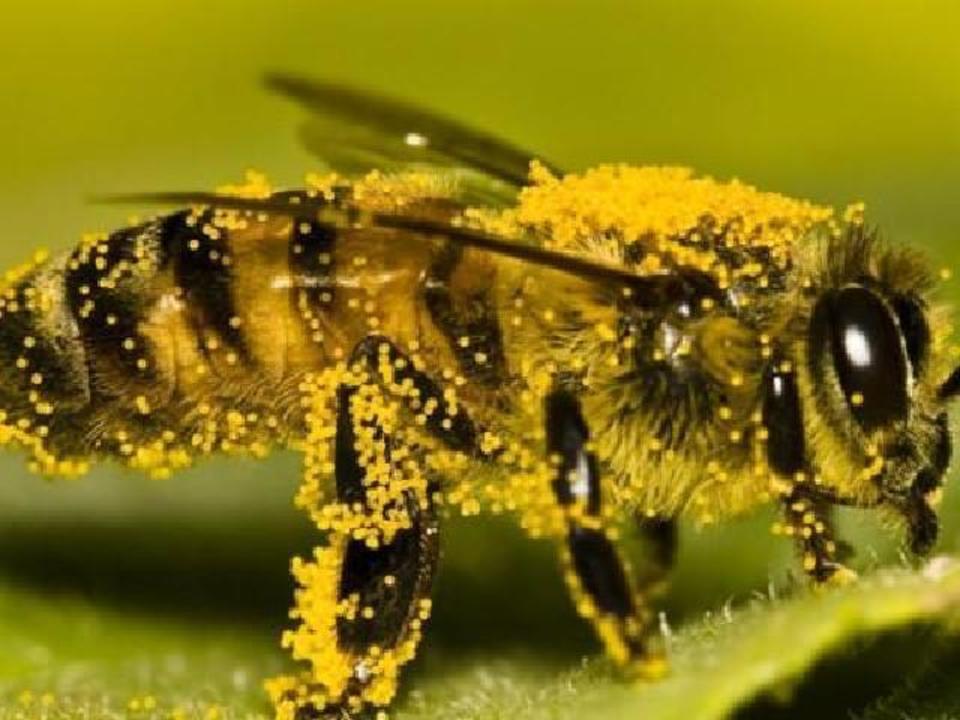
    We should thank a pollinator at every meal. These diminutive creatures fertilize a third of the crops we eat. Yet half of the 200,000 species of pollinators are threatened. Birds, bats, insects, and many other pollinators are disappearing, putting our entire food supply in jeopardy. In North America and Europe, bee populations have already plummeted by more than a third and the population of butterflies has declined 31 percent.

    This Ecological Landscape Alliance Protecting Pollinators online presentation on March 23 at 12:30 EDT explores why the statistics have become so dire and how they can be reversed. Jodi Helmer breaks down the latest science on environmental threats and takes readers inside the most promising conservation initiatives. Efforts include farmers reducing pesticides, cities creating butterfly highways, volunteers ripping up invasive plants, gardeners planting native flowers, and citizen scientists monitoring migration.

    Along with inspiring stories of revival and lessons from failed projects, participants will find practical tips to get involved. They will also be reminded of the magic of pollinators—not only the iconic monarch and dainty hummingbird, but the drab hawk moth and homely bats that are just as essential. Without pollinators, the world would be a duller, blander place. Helmer shows how we can make sure they are always fluttering, soaring, and buzzing around us.

    Jodi Helmer is an author and lecturer specializing in topics about food, farming, and the environment. Ms. Helmer’s work has appeared in publications like Sierra, Entrepreneur, NPR, National Geographic Traveler, AARP, Farm Life, Hemispheres, Civil Eats, The Guardian, JSTOR Daily, Smithsonian.com, Hobby Farms, Out Here/Tractor Supply Company and many more. She is the author of six books, including Protecting Pollinators: How to Save the Creatures that Feed Us. She lives on a small homestead in rural North Carolina where she grows flowers and vegetables, keeps bees and raises chickens, goats and one very spoiled donkey.

    Free for ELA members, $10 for nonmembers. Register at https://www.ecolandscaping.org/event/webinar-protecting-pollinators/

  • Tuesday, July 25, 1:00 pm – 5:00 pm – Alternatives to Traditional Lawns

    According to NASA scientists, in the United States more surface area is covered by lawn than by any other single irrigated crop. Traditionally managed lawns are resource-heavy, requiring irrigation, fertilizer, and pesticides to thrive in our climate. Despite the “costs” lawns and turf are a predominant feature of the landscape and are valued for recreation as well aesthetics. With growing environmental awareness along with new regulations, it is imperative that responsible homeowners as well as lawn and turf professionals manage lawns and turf in the most ecological manner. Following emerging best practices, it’s possible to create healthy lawns and turf that are functional and aesthetic and are managed in a way that eliminates negative impact on health and the environment, meets regulatory guidelines, and is cost effective.

    When considering ecological lawns, one solution that is gaining momentum is to reduce or remove lawns in favor or more biodiverse alternatives. On Tuesday, July 25, at Garden in the Woods in Framingham, from 1 – 5, join New England Wild Flower Society for a full afternoon of lectures.

    Ecological Lawns – No Longer an Inferior Compromise by Joe Magazzi (Not Yet Confirmed)

    Joe Magazzi from Green Earth Ag & Turf will discuss best practices for ecological lawns including updates on organic fertility, with a focus on using soil biology to reduce fertilizer inputs. He will also briefly cover advances in biologicals for lawn disease and pest control. Organics and IPM are no longer a compromise, this is quickly becoming the best practice.

    How Do Plant Nutrient Regulations Affect Me? by Mary Owen

    Developing and implementing a soil and nutrient management program based on best management practices is critical to the proper management of turf with environmental protection, natural resource preservation, and economic viability as priorities. Regulations regarding the sale, use, and application of fertilizer and nutrients on non-agricultural turf and in the landscape have been enacted by many states and communities. Mary Owen will provide an overview of how the new legislation impacts homeowners and landscape practitioners and will discuss strategies for implementing best nutrient management practices for turf with protection of water resources as the priority.

    Protecting Pollinators – Proposed Legislation: Information and Impact by Dan Bensonoff (Not Yet Confirmed)

    What are neonicotinoids and how are they currently regulated? Neonicotinoids are a synthetic form of nicotine that attacks receptors in insects’ nervous systems. Unfortunately, this broad-spectrum (harmful to most insects), systemic (taken up by all plant parts, including roots and flowers), and persistent pesticide (sticks around in the environment for a long time) is also harming our pollinators. The European Union suspended most uses of these pesticides in 2013 but the US EPA opted to allow current uses of neonicotinoids to continue while it conducts reviews through 2019. Proposed Massachusetts legislation H.4187 would regulate Neonicotinoids including: mandatory applicator training/certification, application timing, establishment of a commission to investigate pollinator health, and notification of pollinator risk to property owners. Dan Bensonoff from NOFA will discuss the proposed legislation including the ways that this would protect pollinators.

    Kill Your Lawn by Mark Richardson

    Even if sustainable lawn management is being used, fuel for power mowers, toxic emissions, water consumption, and your weekend time are all part of the cost of lawn maintenance. Mark Richardson introduces us to an ecological approach that is gaining momentum, to reduce the size or eliminate lawns. Smaller lawns that are replaced with more biodiverse native plants can benefit the environment while saving time, energy, and expense. Aesthetically appealing and ecological alternatives include native groundcovers, meadows, and mixed gardens with perennial and shrubs.

    $30 for NEWFS members, $40 for nonmembers. Register online at http://www.newfs.org/learn/our-programs/alternatives-to-traditional-lawns.