Tag: resilience

  • Friday, December 14, 1:30 pm – 2:30 pm – Quest for Resilience: Adaptive Strategies for Sustainable Plant Design Webinar

    What do changing weather patterns mean with regard to how we design the landscape? In this Ecological Landscape Alliance webinar on December 14 from 1:30 – 2:30, Laura Hansplant will examine the concept of resilience with regard to landscape design.

    Using a series of case studies and practical examples, she will discuss how we can replicate plant community dynamics and structure to foster robust and adaptable landscapes. She will also emphasize the importance of cultural expectations and their implications for ecologically-based planting design.

    Laura Hansplant is a landscape architect and co-owner at Roofmeadow. Previously with Andropogon Associates, she has over 20 years’ experience in sustainable landscape design. She has worked on projects in a variety of locations ranging from Toronto to Virginia. Her current work explores dynamic approaches to planting design for urban landscapes. Free for ELA members, $10 for nonmembers. Register at www.ecolandscaping.com.

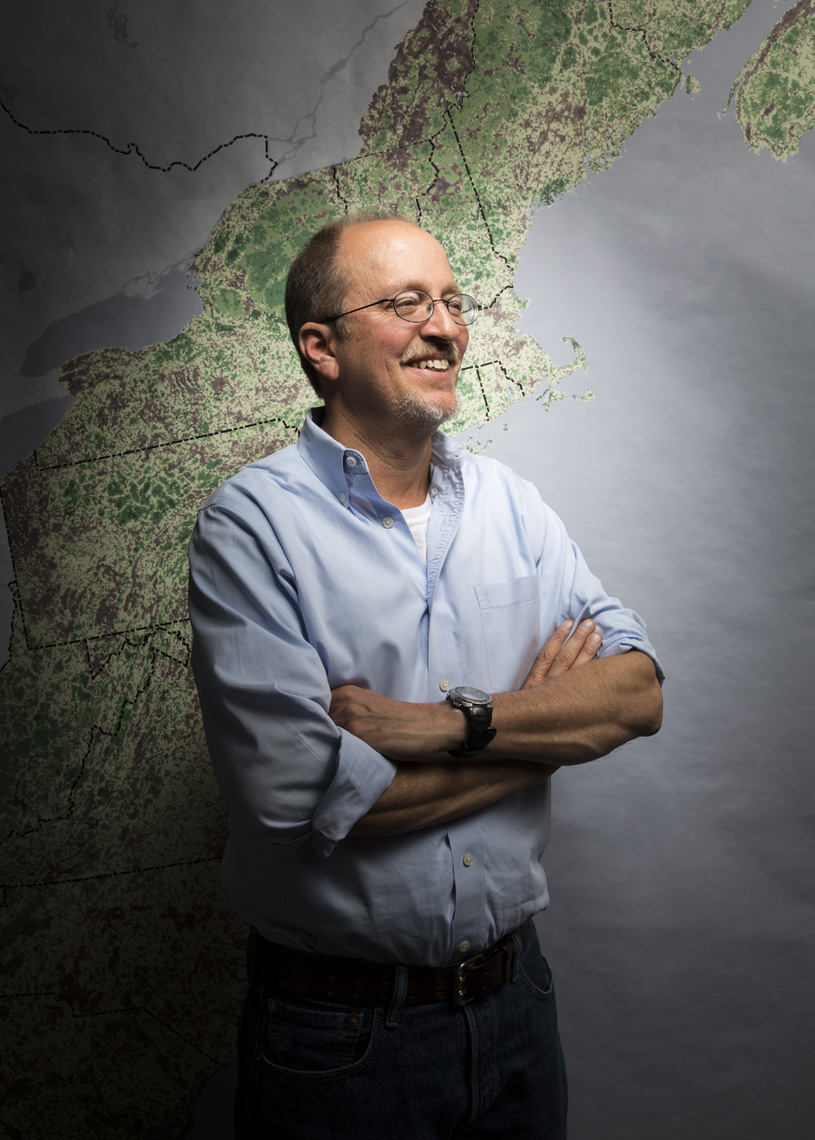
    Image result for Laura Hansplant Roofmeadow

  • Tuesday, November 17, 7:00 pm – 8:00 pm – Rocks, Resilience, and Conservation

    Tuesday, November 17, 7:00 pm – 8:00 pm – Rocks, Resilience, and Conservation

    Will species move in response to climate change? Yes, but where will they go and will they like it when they get there? Ecologist Mark Anderson, PhD, Director of Conservation Science, The Nature Conservancy’s Eastern U.S. Region, proposes that we step back from the individual species to examine the geology of places, looking at bedrock, sediment, and elevation, to correlate areas of species richness to future conservation strategies. His research suggests that these abiotic factors are better predictors of success than species-level climate change models. Come hear about his work in mapping the geophysical regions of New England with an eye towards conserving those that will support the greatest array of species into the future. The thinking is that the areas of most resilient will continue to support the greatest diversity of life, no matter the environmental challenges and changes. His assessment, done at an evolutionary timescale, provides critical data for scientists and conservationists considering how best to conserve landscapes and preserve biodiversity. The lecture takes place Tuesday, November 17 from 7 – 8 in the Hunnewell Building of the Arnold Arboretum. Fee: Free for Arboretum members and students, $5 nonmembers. Register at my.arboretum.harvard.edu or call 617-384-5277.  Photo by Ken Richardson.

    Mark