Tag: Rocks

  • Wednesday, November 14, 6:00 pm – Athol Rocks! One Billion Years as Seen in Local Rocks and Landscape

    Amazing events have shaped the rocks and landscape of this part of Massachusetts. Attend the Athol Bird and Nature Club Annual Dinner Meeting on Wednesday, November 14 to hear all about it.

    Continents have collided and split. Dinosaurs lived here. Great glaciers have left their mark on the landscape. Learn about these events and see and feel samples of some interesting geologic specimens (such as the rare Jurassic armored mud balls) in this presentation by Professor Richard D. Little. This 60 minute power point program will include handouts and samples. Copies of Professor Little’s books and DVDs will be available for purchase at a discount. Richard D. Little, Professor Emeritus, Greenfield Community College, has presented numerous programs about the region’s amazing geologic heritage and has authored several books and articles, and produced two video programs available on DVD. He leads “Fantastic Landscapes” tours within the United States, Iceland, and Scotland.

    As usual, ABNC will hold its annual dinner meeting at 6 p.m. in Liberty Hall at the Athol Town Hall (584 Main St.), with the program at 7 p.m. Reservations are required for the dinner and must be received by Tuesday, November 3. To reserve, call Cindy Hartwell at 978-828-7665, or email cindyhartwell56@gmail.com. There will be two dinner options available stuffed chicken or vegetarian lasagna  – please indicate your preference when making the reservation. She will call or email you back with a confirmation of your reservation. No reservations are necessary for the program. The event will also feature the always popular tin can auction; participants are encouraged to bring an item to donate.

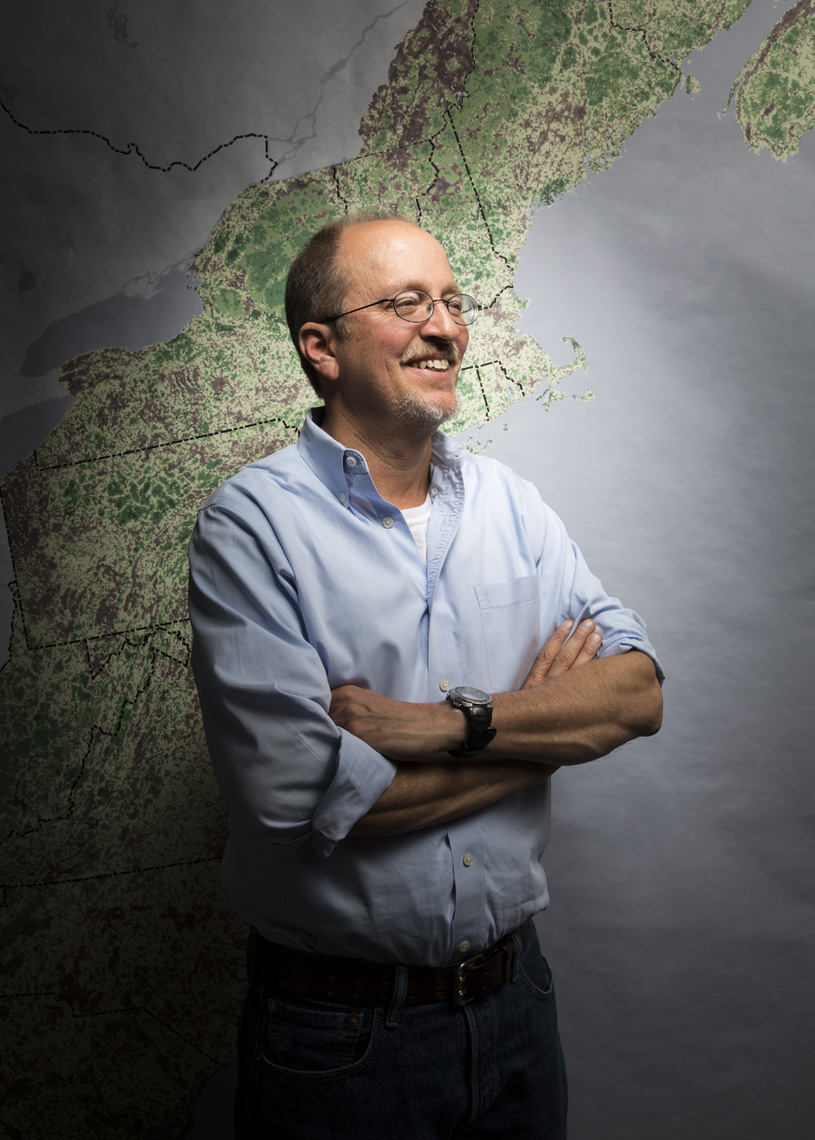
    Image result for Richard D. Little book

  • Tuesday, November 17, 7:00 pm – 8:00 pm – Rocks, Resilience, and Conservation

    Tuesday, November 17, 7:00 pm – 8:00 pm – Rocks, Resilience, and Conservation

    Will species move in response to climate change? Yes, but where will they go and will they like it when they get there? Ecologist Mark Anderson, PhD, Director of Conservation Science, The Nature Conservancy’s Eastern U.S. Region, proposes that we step back from the individual species to examine the geology of places, looking at bedrock, sediment, and elevation, to correlate areas of species richness to future conservation strategies. His research suggests that these abiotic factors are better predictors of success than species-level climate change models. Come hear about his work in mapping the geophysical regions of New England with an eye towards conserving those that will support the greatest array of species into the future. The thinking is that the areas of most resilient will continue to support the greatest diversity of life, no matter the environmental challenges and changes. His assessment, done at an evolutionary timescale, provides critical data for scientists and conservationists considering how best to conserve landscapes and preserve biodiversity. The lecture takes place Tuesday, November 17 from 7 – 8 in the Hunnewell Building of the Arnold Arboretum. Fee: Free for Arboretum members and students, $5 nonmembers. Register at my.arboretum.harvard.edu or call 617-384-5277.  Photo by Ken Richardson.

    Mark

  • Monday, July 19 and Tuesday, July 20, 1:00 pm – 4:00 pm – Bedrock Exposure: Geology of the Gardens

    This two-session set of field walks on Monday, July 19 and Tuesday, July 20 from 1 – 4 pm with geologist Robert Doyle provides exposure to the fascinating rocks of the Coastal Maine Botanical Gardens and an overview of the geological history of Maine. The first day examines the Lerner Garden of the Five Senses and Great Lawn, focusing on folding, faulting, and metamorphic rocks. The walk will continue with an exploration of glacially-shaped “sugarloafs” along the Birch Allée, concluding at the Rhododendron Garden’s waterfall. On the second day, you’ll traverse the Haney Hillside Garden to study the Back River fault, the incredible rocks placed along the hillside and in the Meditation Garden, and numerous shoreline features. This class is geared for beginners and anyone interested in learning more about local geology.  $45 for CMBG members, $55 for non-members.  Meet in the Visitor Center.  To register, or for more information, log on to www.mainegardens.org, or call 207-633-4333.

    http://www.geology.um.maine.edu/user/phaedra_upton/Southern%20Alps/Tekapo/fault_west.jpg

  • Thursday, December 10, 6:00 pm – Six Years on Mars

    Harvard biologist Andrew Knoll hasn’t actually been to Mars, but he has spent a lot of time examining its rocks, including four-billion-year-old salt deposits investigated by the rovers Spirit and Opportunity.

    On Thursday, December 10, beginning at 6 pm, Knoll will reflect on six years of NASA Mars Rover exploration; what the evidence tells us about the history of water and its implication for life on the ancient surface of the Red Planet.

    Location:
    Harvard Museum of Natural History
    26 Oxford Street
    Cambridge , MA 02138


    Cost: Free and open to the public
    Phone: 617-495-3045
    Email: hmnhpr@oeb.harvard.edu
    http://www.hmnh.harvard.edu

    http://www.spacetoday.org/images/Mars/MarsRovers2003/MarsRover2003_1.jpg