Many corners of our world still contain mysteries that scientists and naturalists alike investigate to understand more about life on Earth, ourselves, and our society. In this fascinating New York Botanical Garden online symposium, on June 14 from 6 – 8, we will pull back the curtain on Mother Nature to reveal some of her most intriguing secrets and celebrate the wonder of the most unusual, ancient organisms on our planet.
HUNTING ZOMBIE ANTS
NYBG mycologist João Araujo, Ph.D., will share insights from his research-both in the lab and in the field-on the unusual adaptations of the zombie-ant fungi. These parasitic fungi have evolved to take control of the ants they infect, and cause them to behave in ways they wouldn’t otherwise. Zombies, anyone?
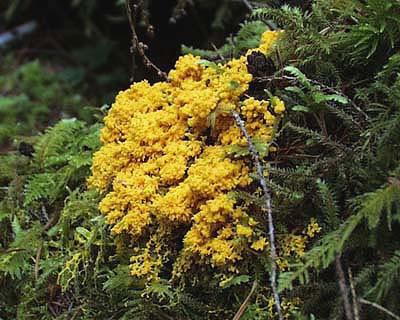
SHAPESHIFTING SLIME MOLDS
Myxomycetes, or slime molds, are single-celled organisms commonly found in nature, even if their minuscule size makes them easy to overlook. Naturalist Alison Pollack (@marin_mushrooms on Instagram) will share her otherworldly macro photographs of these miniature marvels and provide an overview of their life cycle, morphology, and behavior.
LICHENS: NATURE’S PARADOX
Lichens are vibrant, remarkable microcosms structured around fungi. Both rugged and resilient, yet intricate and fragile, they are defined by contradiction and exist outside the normal rules of life. NYBG scientist James Lendemer, Ph.D., will discuss recent findings that shed new light on these fascinating creatures, placing them at the center of understanding ourselves and our changing world.
NYBG members $25, nonmembers $29. Register at www.nybg.org