Tag: Tufts University

  • Wednesday, March 4, 6:30 pm – Silent Sparks

    For centuries, the beauty of fireflies has evoked wonder and delight. Yet for most of us, fireflies remain shrouded in mystery: How do fireflies make their light? What are they saying with their flashing? And what do fireflies look for in a mate?

    Join Sara M. Lewis, PhD, of the Evolutionary and Behavioral Ecology Department of Tufts University on Wednesday, March 4 at 6:30 pm at Clark University for a presentation as she dives into the fascinating world of fireflies and reveals the most up-to-date discoveries about these beloved insects. Hear dramatic stories of birth, courtship, romance, sex, deceit, poison, and death among fireflies. The event is sponsored by the City of Worcester Office of Sustainability and Resilience, and Clark University.

  • Thursday, May 11, 1:00 pm – 2:00 pm Eastern – Lights Out for Fireflies and Other Insects, Online

    Insect populations around the world are declining rapidly. But why? While habitat loss, pesticide use, and climate change all have something to do with it, Dr. Avalon C.S. Owens of The Rowland Institute at Harvard will show in this talk that light pollution is another important — but too often overlooked — bringer of the insect apocalypse. Light pollution interferes with the development, movement, foraging, and reproduction of diverse insect species, including many that we know and love such as fireflies. Fortunately, there are many simple things that we can all do to help reverse this driver of insect declines. Light pollution can be cheaply, easily, and instantly eliminated, and doing so can help ensure that we live in harmony with our insect friends and neighbors for generations to come. Dr. Avalon C.S. Owens (owenslab.org) received her Ph.D. in Biology from Tufts University in spring 2022, where she studied the impact of artificial light on bioluminescent fireflies. She also holds a B.A. in Integrative Biology from Harvard University and an M.S. in Entomology from National Taiwan University.

    This Xerces Society webinar will be recorded and available on our YouTube channel. Closed Captioning will be available during this webinar.

    Click here for more information and to register.

  • Through Sunday, April 30 – Nest/Emerge

    Berkshire Botanical Garden presents “Nest/Emerge,” an art exhibition, through Sunday, April 30. Featuring works by Elizabeth Cohen, “Nest/Emerge” will exhibit in the Garden’s Center House Leonhardt Galleries. The gallery hours are Tuesday through Sunday, 11 a.m. to 3 p.m. 

    In Nest/Emerge, Cohen explores relationships between natural and imagined forms through layers and patterns, re-contextualizing them. The works invite viewers to experience quiet moments and unexpected delights. Incorporating hand-thrown porcelain, mulberry paper, wasp nests, and other materials found in nature, Cohen’s art beckons the viewer to connect with the botanical world.

    “I find inspiration everywhere: the natural world, microscopic images, landscapes, shells, bugs, bark, leaves, pods and seeds,” she said.

    A studio potter living Wellesley, Massachusetts, Cohen explores cycles of birth, life and death, growth and decay, rhythm and change. She explores varied metaphorical nuances, such as family, security and comfort, through nesting sets. 

    She earned a Bachelor of Arts degree in English with a minor in Japanese Studies from Tufts University and a master’s degree in teaching from Simmons College. Her work has been exhibited in recent years at the Boston Sculptors Gallery, Boston; The Mill Contemporary, in Framingham; Worcester Center for Craft; River Oaks Arts Center, in Alexandria, La.; and Fuller Craft Museum, in Brockton. For more information, visit BerkshireBotanical.org.

  • Tuesday, November 8, 7:30 pm – Plasticity in Honey Bee Comb Arrangement in Response to Thermal Stress

    Welcome back to the first Cambridge Entomological Club meeting of the 2022-2023 academic year. We will be holding hybrid meetings to accommodate COVID-19 precautions and audience members from around the world. 

    Honey bees are a charismatic social insect species defined in part by their large familial colonies, production of honey, and intricate hives. Within their hives, honey bees use cells to store both developing brood and food. These stores are generally arranged with a dense central cluster of brood below large reserves of honey with a thin strip of pollen separating the two. It is believed that this characteristic pattern is maintained by self-organizing behavior – individuals following simple, localized rules to create large scale, emergent patterns. My PhD research has focused mainly on testing the limits of this emergent pattern. In this talk, Isaac Weinberg, Fifth Year PhD candidate, Tufts University Biology Department, will present data from three field experiments which observe the effect that chronic thermal stress has on the organization of honey bee colonies, and the implications these results have for honey bee health in a changing world.

    For those able to attend, we will have an informal dinner at 6:00 pm at Cambridge Common Restaurant with the speaker, followed by our formal meeting (7:30 – 9:00 pm) in the Gilbert Room of the Museum of Comparative Zoology (there will be signs to help direct). The meeting will begin with club announcements, followed by a 60-minute presentation by the invited speaker and Q&A. Membership is open to amateur and professional entomologists. 


  • Tuesday, March 10, 5:15 pm – 7:30 pm – The Metabolism of Military Forces in the War of Independence: Environmental Contexts and Consequences

    The Massachusetts Historical Society presents an Environmental History Seminar on Tuesday, March 10 at 5:15 at 1154 Boylston Street in Boston on The Metabolism of Military Forces in the War of Independence: Environmental Contexts and Consequences. David Hsiung of Juniata College will speak, with comment by James Rice of Tufts University. In order to function during the War of Independence, armies and navies needed multiple sources of energy—food, firewood, work animals (which also needed food), ammunition, and more. How did specific natural environments, both proximate and distant, fuel those military metabolisms? How did such actions affect those environments in the decades and centuries that followed? This presentation is the seed of a book proposal that, when watered by your feedback, will germinate come summertime. Free, but registration requested at www.masshist.org.

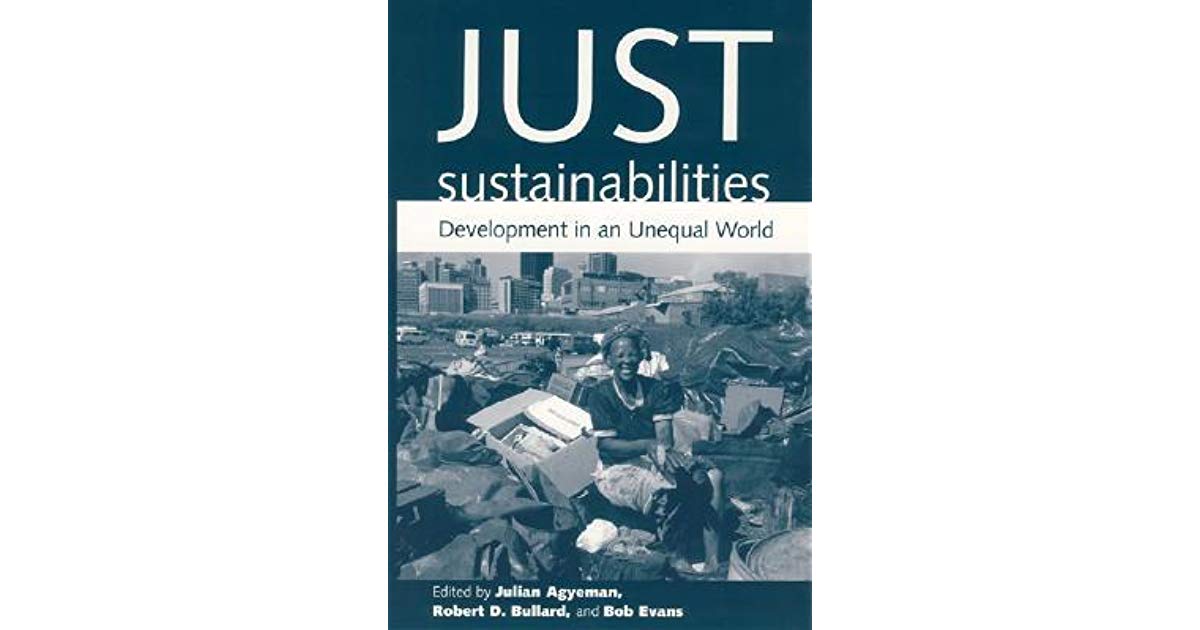
  • Wednesday, October 16, 7:30 pm – Julian Agyeman: Just Sustainabilities

    Wednesday, October 16, 7:30 pm – Julian Agyeman: Just Sustainabilities

    In his free talk on October 16 at Wright-Locke Farm in Winchester, Julian Agyeman will outline his concept of ‘just sustainabilities’ – the full integration of social justice and sustainability, defined as ‘the need to ensure a better quality of life for all, now and into the future, in a just and equitable manner, whilst living within the limits of supporting ecosystems.’ He will give practical examples from his recent research into spatial justice in urban planning and design, food justice, sharing cities, and planning in and for intercultural cities. The Farm offers a casual picnic supper (sandwiches from Clover Food Lab, iced tea/lemonade & cookies for around $20), starting at 6pm. Please e-mail our Events Manager with any questions and to reserve your meal. To sign up for the lecture, visit https://www.signupgenius.com/go/60b0445acad2ca1fd0-october

    Julian Agyeman Ph.D. FRSA FRGS is a Professor of Urban and Environmental Policy and Planning at Tufts University. He is the originator of the increasingly influential concept of just sustainabilities, the intentional integration of social justice and sustainability.

    Worldwide, he is recognized as an expert, an innovator and thought leader. He is the author or editor of 11 books, and was co-founder in 1996, and is now Editor-in-Chief of Local Environment: The International Journal of Justice and Sustainability. Julian sits on the Academic Board of The Centre for the Future of Places (KTH Royal Institute of Technology, Stockholm, Sweden), the Board of Directors of EcoDistricts (Portland, OR) and on the Advisory Boards for equitable and sustainable initiatives for cities including San Francisco, Dublin, London, and Montreal.

    In 1996, he was elected to the Fellowship of the Royal Society of the Arts (FRSA) in the UK, a network of people dedicated to enriching society and shaping the future through ideas and action. And in 2018, he was awarded the Athena City Accolade by KTH Royal Institute of Technology, Stockholm, Sweden, for his “outstanding contribution to the field of social justice and ecological sustainability, environmental policy and planning“.

  • Tuesday, March 5, 6:30 pm – 8:30 pm – Native Bees in the Hood

    Tuesday, March 5, 6:30 pm – 8:30 pm – Native Bees in the Hood

    Perhaps surprisingly, urban environments support a high diversity of native bee species. But where are they living and what are they eating? In this March 5 Arnold Arboretum workshop, you will first learn about the biology and diversity of native bees and why they are important pollinators. We’ll dive into the city lifestyles of bees and the strategies they employ to be successful in these anthropogenic landscapes. In the second part of the workshop, we’ll focus on native bee decline and conservation, and learn answers to common questions such as: Why are bees dying? Do all bees need saving? What can I do to help bees at home? You’ll also learn the fundamentals of gardening for bees, and at the end of the workshop, have the opportunity to build and leave with a mason and leafcutter bee hotel. This workshop, taught by Nick Dorian, will extend your interest in native pollinators and equip you with the knowledge essential to supporting populations of native bees. Photo of Cuckoo Bee below from  http://nativebeesofnewengland.com.

    Fee $15. Meets in Hunnewell Building, 125 Arborway, Boston, beginning at 6:30 pm.  Co-sponsored by Agricultural Hall and the Arnold Arboretum of Harvard University Register at my.arboretum.harvard.edu or call 617-384-5277.

    Image result for Native bees in Boston

  • Sunday, September 9 or Sunday, September 30, 4:00 pm – 6:00 pm, or Friday, September 21, 6:00 pm – 8:00 pm – Farm-To-KITCHEN Cooking Class: Native Foods of Massachusetts

    This September, The Trustees are excited to bring you a very special cooking experience at The KITCHEN at the Boston Public Market that focuses on the foods and cooking styles of Massachusett’s Native American Tribe, the Wampanoag, who resided in Eastern Massachusetts during the 17th century and whose descendants still live in the Commonwealth today. This class will highlight pre-colonial diets and farming practices, including seasonal rounds of fishing, planting, harvesting, hunting, and seed saving, while also providing some insight into the past and current Wampanoag population. While fairly invisible in our current food system, the Wampanoag contributed greatly to our food production knowledge and our understanding of seasonal eating.

    This class, to be held on three separate occasions, September 9, 21, or 30, sets out to honor these great people and educate attendees on the history of local food. Our menu focuses on the Wampanoag’s “three sisters” crops of corn, beans and squash, which will be in peak season in September.

    In this lively, hands-on cooking class you’ll learn how to utilize the produce and products of the farmers and artisans of the Boston Public Market. Guided by Chef Alexis Daniels, you’ll create an exciting three-course meal based on seasonal, local food, and increase your comfort in the kitchen through new knife skills, techniques, and flavor profiles. Alexis began catering at 13-years-old in the San Francisco Bay Area, and launched her own private catering company at 16. Rather reluctantly, she closed her business and uprooted to chilly Boston to earn a BA in Anthropology, Community Health, and Fine Art from Tufts University. Delighted to learn food does in fact grow here too, she stayed a while longer and earned her Master’s in Occupational Therapy. After testing the waters in rehabilitation hospitals, clinics, and schools, she decided the kitchen best suits her creative, culinary mind. These days, she is Enrichment Programs Manager at the Acera School, a founding member of Eastie Farm (the neighborhood’s first non-profit urban farm), and an avid world traveler. Alexis is excited to extend her love of global cuisines to students at the Boston Public Market, through classes highlighting New England’s highest quality local food.

    In addition to learning a new cooking style, you’ll enjoy tastes of three local New England wines that pair perfectly with recipes we’ll be making, courtesy of The Massachusetts Wine Shop. $60 for Trustees member and $75 for Non-Trustees Members. Members must bring their current member card and number. Register at http://www.thetrustees.org/things-to-do/greater-boston/event-41346.html?srregion=greater-boston&srrelated_property=580688683&srevent_type=&dateType=srevent_start_date&srstartDate=&srendDate=&x=36&y=7

    Image result for wampanoag food pictures

  • Sunday, July 29, 6:00 pm – 9:30 pm – Sunset on the Charles: Composition and Low Light Shooting Workshop

    This Museum of Fine Arts Boston workshop on Sunday, July 29 from 6 – 9:30 combines low-light shooting and formal composition techniques while photographing along the banks of the Charles River. Cover a variety of technical strategies for achieving intriguing photographs while shooting during the “golden hour,” twilight, dusk, and at night.

    Students must bring their own DSLR camera with manual settings and supplies. Students are responsible for providing their own supplies. View the supply list by going to https://www.mfa.org/programs/studio-art-classes/adult/supply-list.

    MFA members $50, nonmembers $65. Order online at https://www.mfa.org/programs/studio-art-class/sunset-on-the-charles-composition-and-low-light-shooting-workshop-0 To order tickets by phone, call 1-800-440-6975; to order in person, visit any MFA ticket desk.

    Instructor Georgie Friedman received her MFA from the School of the Museum of Fine Arts in conjunction with Tufts University (2008) and her BA from UC, Santa Cruz (1996). Recent exhibitions include: Ripple Effect, Peabody Essex Museum, MA (2011-12); Above the Clouds (solo), concurrent exhibit at Carroll and Sons & Anthony Greaney, MA (2011); The 2010 DeCordova Biennial, MA; among others. She teaches a variety of photography and video based classes at several local institutions, including Boston College, SMFA and MassArt. Her current projects include photographic works and experiential video installations that highlight our physical relationship to interior vs. exterior elements and uncontrollable natural forces.

  • Saturday, June 9, 10:00 am – 11:30 am – Spice Blending: Curry Powder

    In this hands-on workshop at KITCHEN at Boston Public Market on Saturday, June 9 from 10 – 11:30, you will learn about the history of curry powders, different types of curry powders, and the main ingredients used in making curry powders. You’ll get to sample some quick and easy recipes using curry powder and then make your own curry powder blend to take home from a wide selection of possible ingredients.

    Amy Hirschfeld is one of the owners of Soluna Garden Farm and the primary recipe developer for Soluna’s tea and spice blends. She has a B.A. in Archaeology from Tufts University and an M.A. in Anthropology/Archaeology from Harvard University, and is currently a senior lecturer in the Gordon Institute at Tufts University. She has been growing herbs, flowers, fruits, and vegetables for more than 30 years and has an avid interest in the connections between people, places, and plants, especially in the context of both local and global sustainable agriculture and cuisine. She has explored these interests through extensive travel and professional experience in the Mediterranean region and the Arabian Peninsula, where she worked as an archaeologist studying the ancient incense trade.

    Soluna Garden Farm, a certified organic herb and flower farm in Winchester, Massachusetts, growing over 100 different varieties of culinary and medicinal herbs, from which we make seasonal herbal products, such as herbal vinegars, cocktail syrups, and tea blends. Soluna Garden Farm is also a specialty food producer that makes small-batch, hand-crafted herb, spice, and tea blends from organic ingredients. This program, sponsored by The Trustees, is $40 for Trustees members, $50 for nonmembers. Register at http://www.thetrustees.org/things-to-do/greater-boston/event-39610.html?srrelated_property=580688683