Tag: Victory Gardens

  • Sunday, October 24, 11:00 am – 12:00 noon – Victory Gardens: How a Nation of Gardeners Helped to Win the War

    During World War II, homefront Victory Gardens flourished nationwide—in former lawns, flower gardens, school yards, parks, abandoned lots, and ball fields. As part of the war effort, posters encouraged patriotic Americans to “Grow vitamins at your kitchen door” and “Eat what you can, and can what you cannot eat.” In fact, Americans needed to supplement their diets during a time of food rationing and shortages. Nearly 20 million gardeners answered the call, including many who had never wielded a hoe. Victory gardeners learned to prepare soil beds, grow seedlings, cultivate, control weeds, irrigate, and eliminate pests—raising successful crops for the duration of the war years. Join Berkshire Botanical Gardens on October 24 at 11 as we explore the role of 1940s vegetable gardens, ration-book cookery, and food preservation in wartime victory. Victory gardens provided food and promoted morale during World War II, and by 1944 American gardeners grew forty-four percent of the produce that fed civilian families. In this slide illustrated talk Judith Sumner will trace the Victory Garden movement, including the Roosevelt White House garden, urban gardens, school gardens, food preservation, wartime nutrition, and ration book cookery. We will also look at the British Dig for Victory campaign, Hedgerow Harvest program, and the Women’s Land Army. This program is led by Judith Summer, author of Plants Go to War: A Botanical History of World War II (McFarland Books, 2019).

    Judith Sumner is the author of Plants Go to War: A Botanical History of World War II (McFarland Books, 2019), the first book to examine the historical roles of plants and botanical science in warfare. Judith is a classically trained botanist and author who specializes in ethnobotany, flowering plants, plant adaptations and garden history. She is a graduate of Vassar College and completed her graduate studies in botany at the University of Massachusetts in Amherst. She studied at the Royal Botanic Gardens, Kew; at the British Museum; the Jardin des Plantes; and did extensive field work in the Pacific region on the genus Pittosporum. Judith is currently at work on a botanical history of the American Civil War.

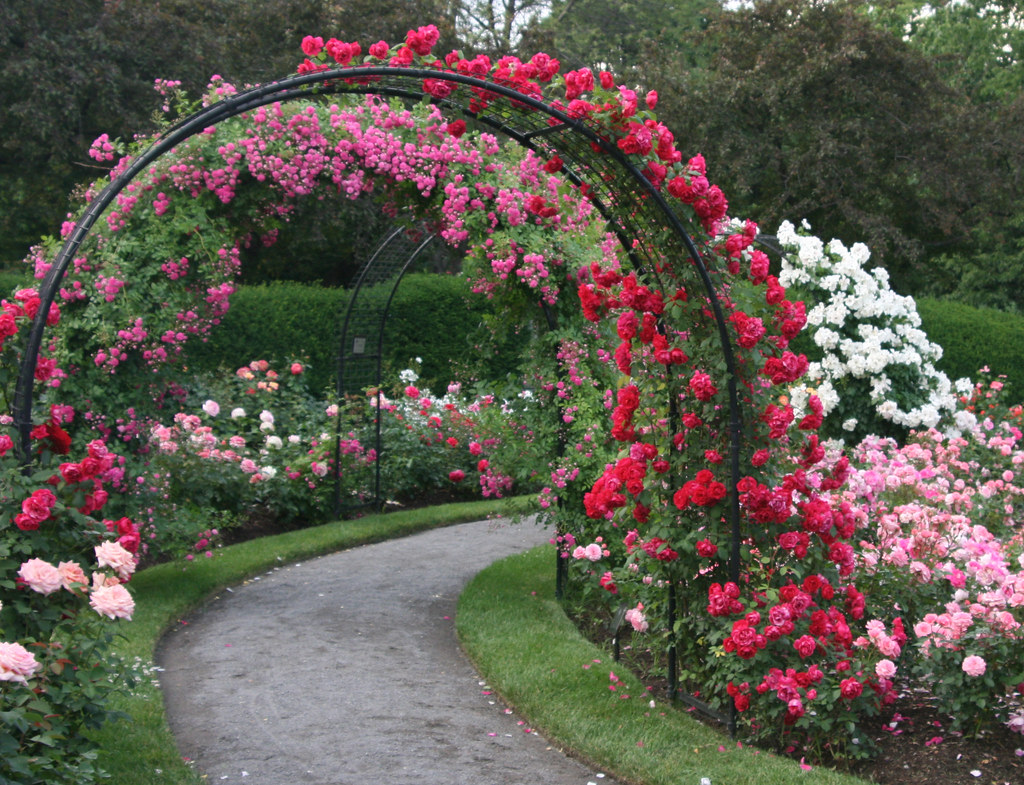
  • Tuesday, June 22, 6:00 pm – Garden Club of the Back Bay Kelleher Rose Garden Tour

    Tuesday, June 22, 6:00 pm – Garden Club of the Back Bay Kelleher Rose Garden Tour

    The Kelleher Rose Garden, located in the Fenway near the MFA, is a wonderful rose infused garden graced with nearly 1,500 rose plants, trellises, a water fountain and statues.  It was originally designed by landscape architect Arthur Shurcliff. A recent renovation has brought the garden back to its original design and glory.  This is a docent-led tour and will conclude with a quick tour of the nearby Victory Gardens.  We will meet on June 22 at 6 pm at the entrance to the Rose Garden. Details and directions will be sent to everyone who signs up.

    RSVP by clicking here:  dianegipsonboston@gmail.com
    It is important to RSVP as soon as possible because the tour is limited to 20.  We will confirm RSVP’s and maintain a waiting list. This is a Garden Club of the Back Bay member pop up event – if you are not a member, consider joining now at https://bostonflora.com/membership/

  • Thursday, October 10, 6:00 pm – 7:00 pm – Worcester Victory Gardens

    During WWII, people across the country started gardens anywhere from their own yards to schools and rooftops to supplement rationed food. Do you remember working on a Victory Garden? Would you like to tell us about it? If not, maybe your parents or grandparents had a Victory Garden, or there was one in your neighborhood. But a lot of people might not know where they were in the area, or that they were an organized effort, including classes on preserving produce through the winter. On Thursday, October 10 at 6 pm, join Tower Hill’s Community Garden History Project, organized through the Tower Hill Botanic Garden Library, for a free presentation on the details and locations of Victory Gardens right in Worcester. Registration requested at www.towerhillbg.org

  • National Garden Bureau

    “Inspire. Connect. Grow.” National Garden Bureau is a non-profit organization that exists to educate, inspire, and motivate people to increase the use of plants in homes, gardens, and workplaces by being the marketing arm of the gardening industry. Members are experts in the field of horticulture and the organization’s information comes directly from these sources. The inspiration of James H. Burdett, the National Garden Bureau was born in 1920 in the wake of World War I. He perceived the increasing need of suburbanites for basic instruction in backyard gardening. Because of his unique background as both a former newspaper journalist and an advertising manager of a seed company, he appreciated the role of the media in public education. He pioneered the idea of enlisting horticultural writers and broadcasters in the noble effort of mass education to create a population of gardeners. In the process, he improved the lives of citizens.

    The Bureau came of age during World War II when the government encouraged homeowners to grow Victory Gardens. By means of annual posters promoting “Beauty and Abundance in Your Garden” and other materials, the Bureau promoted seeds and gardening on the home front. Then, the postwar years saw an emphasis on community beautification and the Bureau responded with a film, brochures, programs, and information sheets to help gardening communicators further this cause among the public. Incorporation as a not-for-profit organization soon followed.

    Each year the NGB chooses categories of plants to highlight and 2019 is the Year of the Snapdragon, the Year of the Dahlia, the Year of the Pumpkin, and the Year of the Salvia nemorosa.  To learn more about the National Garden Bureau visit http://ngb.org.

    Image result for National Garden Bureau

  • Sunday, January 26, 2:00 pm – 4:00 pm – Exploring Victory Gardens: How a Nation of Vegetable Growers Helped to Win the War

    Our old friend Judith Sumner, PhD, Botanist and Author, will speak at the Hunnewell Building of the Arnold Arboretum on Sunday, January 26 from 2 – 4 on Exploring Victory Gardens: How a Nation of Vegetable Growers Helped to Win the War. During World War II, home front victory gardens flourished nationwide—in former lawns, flower gardens, school yards, public parks, ball fields, and abandoned lots. As part of the war effort, posters encouraged patriotic Americans to “Grow vitamins at your kitchen door” and “Eat what you can, and can what you cannot eat.” In fact, Americans needed to supplement their diets during a time of food rationing and shortages. Nearly 20 million gardeners answered the call, including many who had never wielded a hoe. Explore the role of 1940s vegetable gardens, ration-book cookery, and food preservation in wartime victory.
    Fee $15 Arboretum member, $20 nonmember.  Register online at https://my.arboretum.harvard.edu/SelectDate.aspx.

    http://www.motherearthnews.com/~/media/Images/MEN/Editorial/Blogs/Organic%20Gardening/Sow%20For%20Victory%20Bringing%20Back%20The%20Victory%20Garden/meredith-first-1%20jpg.jpg

  • Sunday, April 14, 1:00 pm – 2:30 pm – Spring Walk in the Back Bay Fens

    Join Emerald Necklace docents on Sunday, April 14, beginning at 1 pm at the Shattuck Visitor Center, 125 The Fenway in Boston, as they talk and walk through the sites of the Back Bay Fens, including the Kelleher Rose Garden and the oldest World War II Victory Gardens in America. Free and open to the public, reservations recommended, RSVP online or call 617-522-2700.

    http://mw2.google.com/mw-panoramio/photos/medium/49198170.jpg