Category: Meeting

  • Monday, December 6, 3:00 pm – 4:00 pm – Holiday Evergreen Floral Arrangement, Online

    Monday, December 6, 3:00 pm – 4:00 pm – Holiday Evergreen Floral Arrangement, Online

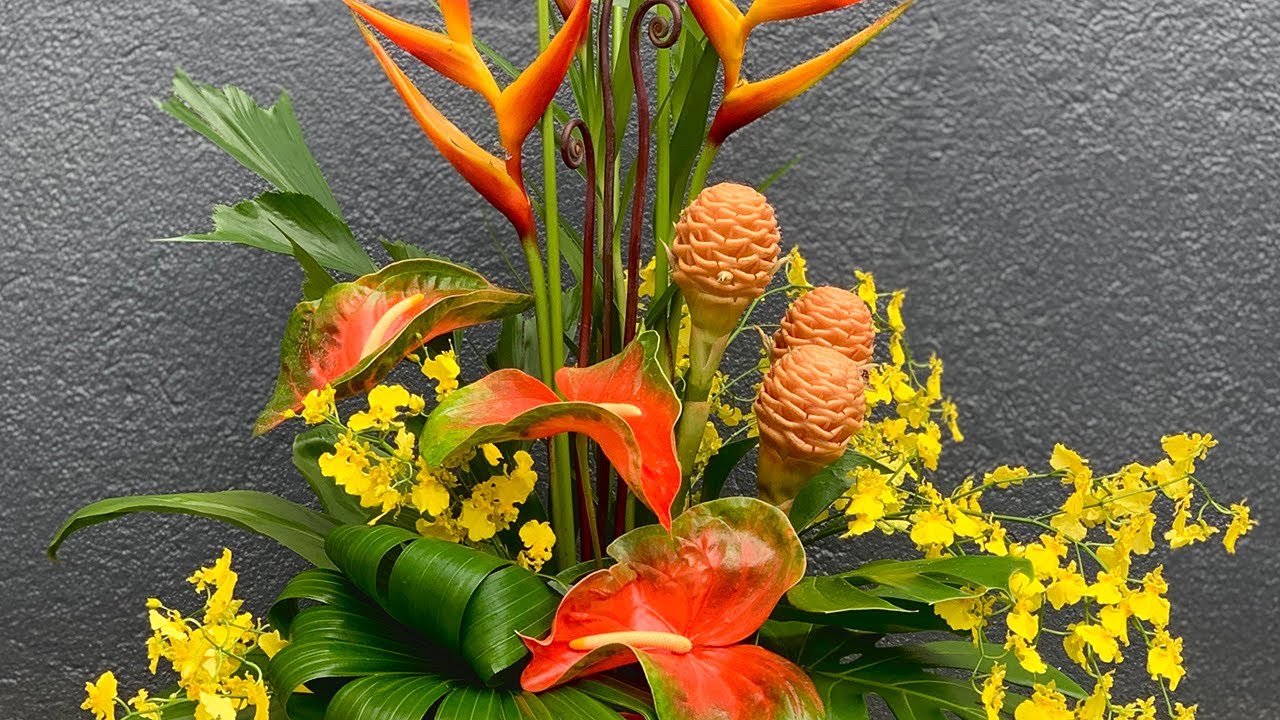
    The Garden Club of the Back Bay’s Pop-Up series of floral arranging online continues December 6 from 3 – 4 with Nancy Cyr.

    Nancy will lead a Zoom Holiday Evergreen Floral Arrangement Class.  Participants will focus on creating an arrangement of evergreens as a base using flowers that can be replaced allowing the arrangement to last for the season.  Nancy will present a design scaled for a table and  will explain how you can adapt the design for a larger outdoor installation. If you are arranging during the presentation, you will need to have a container and all the materials, including a mechanic for holding the evergreens and flowers. Nancy will show us how we can use chicken wire or a bendable branch to make our mechanic.

    An email will be sent within two days of our receiving your RSVP. It will include the Zoom link and detailed information about the materials.

    RSVP (no later than December 2) by clicking here: SIGN UP


  • Wednesday, December 1, 6:30 pm – 7:30 pm – Boston Nature Center’s Annual Meeting, Online

    Join the Massachusetts Audubon Society and the Boston Nature Center for the Boston Nature Center’s Annual Meeting on Wednesday, December 1 from 6:30 – 7:30 via Zoom. Sanctuary Committee Chair Jim McGuinness and Anne & Peter Brooke Sanctuary Director Julie Brandlen warmly invite you to attend. Kindly RSVP by November 30
    Please reply to Zaskya Perez at 617-983-8500 x6904 or by email. The featured speakers, on the topic of From Local to Global: Climate Change Mitigation, are Crane Ledge Woods Coalition facilitator Lokita Jackson, who discusses a broad-based effort to save a 24-acre unprotected urban wild in Boston, and Brookline science educator Mark Goldner, who presents Climate Change in the Arctic from his PolarTREC research.

  • Friday, December 3, 8:30 am – 4:30 pm – Ecological Plant Conference 2021, Online

    Again in this fall, ELA will host the Ecological Plant Conference online. Innovative tools and interactive collaborations will ensure that this online conference provides participants with an engaging and inspiring experience – with no travel time or transportation required.

    The benefits of human proximity to plants is well documented and is just one of the many reasons that we all design, propagate, install, maintain, discuss, and enjoy plants. This year, the Ecological Plant Conference (EPC) will delve into five plant-centric topics to educate, entertain, and inspire you. Join us for the sixth annual EPC deep dive into plants old and new.

    The Garden Base Layer: Native Groundcovers
    Duncan Himmelman

    Kick mulch to the curb! Replace it with texturally interesting native plants that help to unify your landscape and provide important ecological services.

    In his presentation, Duncan will highlight a selection of herbaceous and woody plants to use as groundcovers in a variety of growing conditions. Gardeners of all levels will be inspired to make the switch from vinca and Japanese pachysandra to smarter choices: native groundcovers!

    Biodiversity Here and Now: Creating Urban Habitats
    Veronica Tyson-Strait

    Many urban dwellers share a desire to garden. For the immigrant gardener there is an urgent need to adopt the new alien landscape and adapt it into a new home. Often that goal includes growing ornamental plants and food crops with ties to a cultural past, even if this home is on the 26th floor. Yet, we must acknowledge the environmental benefits of growing plants native to the region we inhabit.

    Veronica will showcase the diverse ecosystems of her country of birth and their influence in the evolution of her passion for plants native to North America. She will make connections between pollinators and birds in her New York gardens, highlight a few of her favorite native plants, and explain how she utilizes limited space and incorporates habitats into her garden designs.

    New Naturalism: Lessons from Wild Plant Communities
    Kelly Norris

    Drawing on his many years of horticulture experience, Kelly Norris will share in-depth lessons learned from plant communities, both natural plant communities in the wild and designed communities in the built landscape. Kelly explores plant ecology and provides invaluable strategies for landscape designers and land managers. Kelly’s love for native plants and his experiences with wild plant communities have shaped his career in profound ways. As a so-called hort-ecologist, Kelly strives to interpret native ecosystems into beautiful, functional landscapes in the urban context. Too often, professional horticulturists appropriate plants as if they were inanimate objects, instead of truly understanding how plants interact and function within the landscape environment. Join us for an exploration of wild plant communities and their constituents from across North America that will inspire and inform your professional practice whether as a grower, retailer or designer.

    Plants that Sustained a Broken World: Enslaved African Contributions to Medicine and Botany
    Dr. Carolyn Roberts

    In the midst of the violence and brutality of the Atlantic slave trade, enslaved Africans became known for their valuable medical and botanical knowledge. Their expertise contributed to early modern medicine and science.

    In this presentation, Yale Professor Carolyn Roberts will discuss this little-known botanical history. She will explore the plants enslaved Africans used, how they made medicines, and what present-day phyto-chemical research reveals about why these medicines were so effective.

    Panel Discussion
    Good Communication and Respect:
    Keystones for Team Building on Landscape Crews
    Rebecca McMackin, Panel Moderator

    At the end of the workday, we all want to feel a sense of accomplishment and contentment about the day’s efforts. How well we relate to colleagues and members of our landscape crews has a profound influence on whether it has been a good day or a frustrating one. Effective communication and teamwork will help a crew (or any other project team) maintain a positive work environment. Effective communication also permeates throughout all areas of business operations; a positive workplace means happier employees are interacting with one another, contractors, and with clients (whether homeowners or public park guests) in a pleasant and positive manner.

    Businesses of all sizes need dedicated employees that understand the importance of teamwork in achieving goals and requires that employees communicate in ways that promote team cohesion – not division. On diverse teams, where there is not a shared cultural background or language, the challenges of team building are more complex though equally or more important. Join panel moderator, Rebecca McMackin to learn some of the team building and communication strategies used among the diverse crew members at Brooklyn Bridge Park. You are sure to learn techniques that you can bring back to your workplace.

    $139. For complete speaker biographies, and to register, visit https://www.ecolandscaping.org/event/ecological-plant-conference-2021/

  • Monday, November 22, 1:00 pm – Garden Club of the Back Bay Thanksgiving Flower Arranging with Nancy Cyr, Online

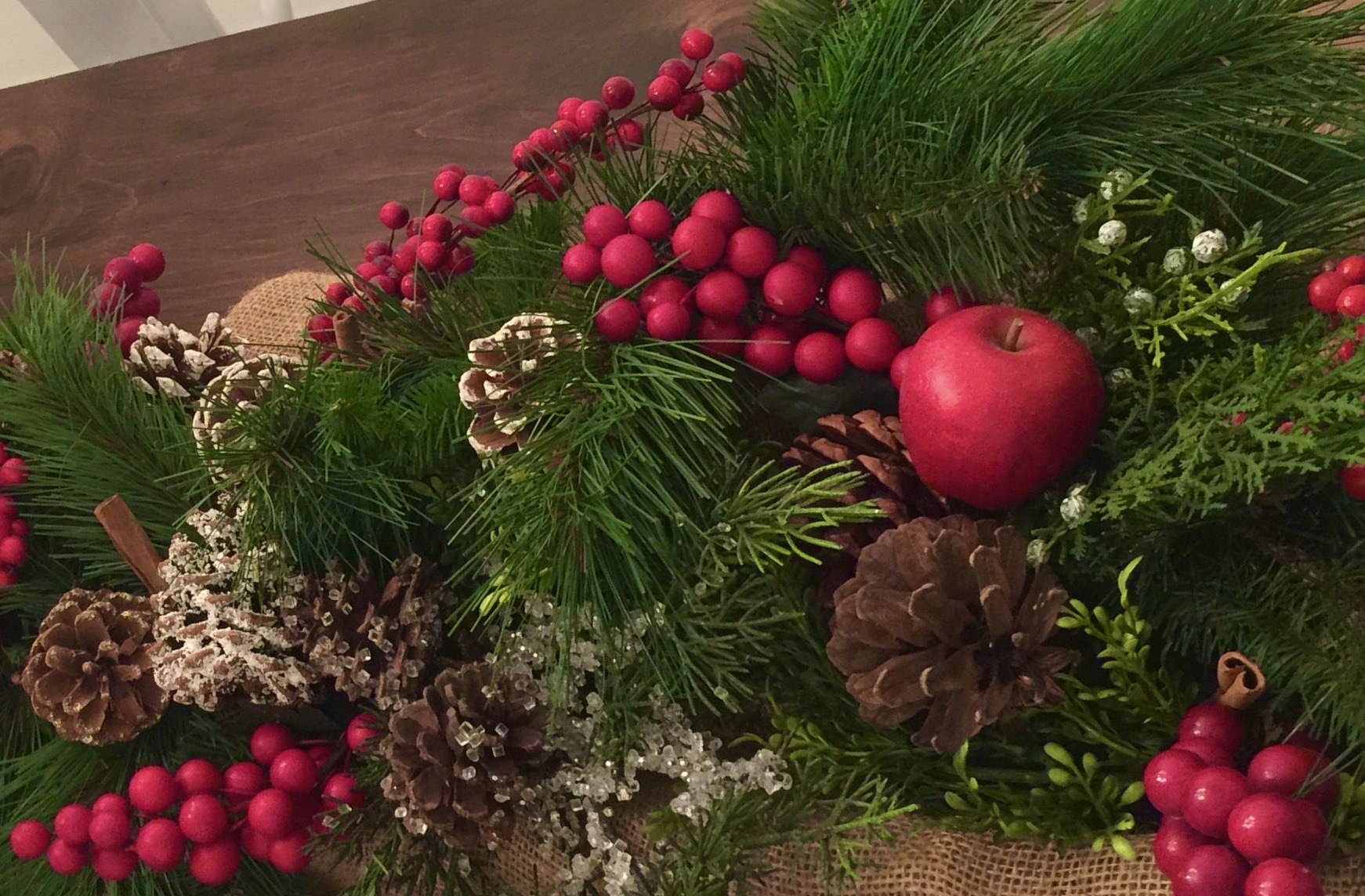
    Make a Thanksgiving Centerpiece from the Grocery Store!

    Garden Club of the Back Bay member, Nancy Cyr, will show you how to make a Thanksgiving arrangement using your own container and materials you can get at the grocery store. All items in the picture above were purchased at Whole Foods. With Nancy’s instruction you will create a “long and low” arrangement for the center of your Thanksgiving table. 

    NOTE:  A list of materials will be sent to registrants prior to the class. Please rsvp by November 19 to Jolinda Taylor by clicking here. 

  • Thursday, November 11, 8:30 am – 4:30 pm – Regenerative Solutions for Resilient Landscapes, Online

    Connections are vital throughout healthy landscapes and include everything from interaction between pollinator and plant to the underground networking of mycelium.

    The degree to which a landscape is successfully connected determines soil health, biodiversity, local adaptation, colonization, and species survival prospects. All connections are further challenged as ecosystems cope with climate change.

    Join The Ecological Landscape Alliance online on November 11 from 8:30 – 4:30 for this unique opportunity to consider future landscapes and learn the importance of regenerative solutions. Register at https://www.ecolandscaping.org/event/regenerative-and-resilient/

    Roy Diblik with speak on Building Strong Foundations.

    Gorgeous perennial gardens packed with color, texture, and multi-season interest (think of stunning examples like the Lurie Garden) may be aspirational but are also achievable with some plant community know-how from award-winning plantsman and designer Roy Diblik.

    Roy’s design approach begins by learning a core group of plants, and all of the characteristics of the plants, that are reliable performers, tolerant of varied initial soil conditions. The next steps are combining them with complementary plants that thrive together when grown as a community. Roy also emphasizes a design approach that minimizes garden maintenance. One reliable species is Carex used as a groundcover to reduce reliance on wood mulch, create a healthier habitat for woody plants, create interconnected plant communities that benefit the well-being

    Then, Jane Slade will present Reconnecting with Natural Light Cycles that Support Human and Wildlife Health: Starving for Darkness

    Darkness is disappearing from the face of the Earth, blinding wildlife in the light. Since the industrial revolution and the invention of the electric light bulb, the natural ecosystems of the Earth spend more and more time bathed in artificial light within a 24-hour cycle. How does the artificial light and lack of darkness impact wildlife? How does the obstruction of the night’s sky affect bird migration, pollination, and reproduction?
    Much of the study of light and health has been dedicated to the impact of light upon humans; however, animals and plants are also intrinsically photosensitive and subject to the unwanted effects of stray light. How can a rethinking of design, landscape lighting, and codes alleviate some of these harmful effects? Ms. Slade will provide encouraging considerations to minimize these negative impacts.

    Finding the Mother Tree will be given by Suzanne Simard.

    Trees are connected, that’s right, CONNECTED. Through their research, Dr. Simard and her team have discovered that trees are connected below-ground via a vast fungal network. The Mother Tree project is investigating forest renewal practices that will protect biodiversity, carbon storage and forest regeneration as climate changes. This field-based research compares various retention levels of Mother Trees (large, old trees) and their neighbors, as well as regenerating seedling mixtures, in Douglas-fir forests located across nine climatic regions in British Columbia.
    What is the mysterious, powerful force that connects and sustains others? The old, large trees in forests are responsible for nurturing and connecting forests in the same profound ways that families and human societies nurture and connect their members. Learn about the vital and inseparable bonds that enable survival of all.

    The next talk will be by Desiree Narango Phd, on Using Informed Plant Selection to Restore Pollinators and Songbirds.

    Functional food webs are essential for the successful conservation of ecological communities. In terrestrial systems, food webs are built on a foundation of co-evolved interactions between plants and their consumers. Efforts to restore urban and suburban green space, provide ecosystem services, and combat adverse impacts of development have resulted in widespread tree- and garden- planting efforts. Yet, little attention is given to the importance of plant identity for successfully supporting biodiversity. In this presentation, Dr. Narango will discuss the ecological and evolutionary relationships between plants, pollinators, and songbirds and highlight her recent research demonstrating that particular native plants are crucial for supporting local food webs. She will also share examples where species interaction data can provide quantitative metrics to inform planting guidelines to restore wildlife habitat in shared, living- and working landscapes.

    She’ll wrap up by offering some advice for how each person can help move planet Earth towards this best-case scenario. It turns out that the most effective actions to change over-arching systems are collective, political actions, whereas personal lifestyle changes and landscaping choices offer more of a cultural and personal template for the future. Come to have your hope renewed and your enthusiasm for action elevated!

    Finally, Yujuan Chen, Phd, will speak on Human-Natural System Connections: Soil, Water, and Trees. Currently more than half of the world population lives in urban areas — human-natural systems. Coupled with a changing climate, cities and towns are under high pressure to provide residents with sufficient resources, a livable environment, and desired quality of life. This presentation will discuss human-natural system connections including soil, water, trees, and their interactions with human decisions and activities. At the international level, how can we comprehensively integrate forests and trees into sustainable urban development with sound policies? At the regional level, how can we strategically and effectively engage communities in soil management and conservation? At the site level, how can we help urban tree establishment, improve tree growth, and ultimately sustain related long-term ecosystem services (e.g., stormwater mitigation) through urban soil best management practices? The findings from a set of studies will be shared to illustrate the connections and potential of green (trees), blue (water), and brown (soil) infrastructure in the city.

    For full biographies and information, visit https://www.ecolandscaping.org/event/regenerative-and-resilient/

  • Tuesday, November 9, 7:30 pm – The Ecology of Collective Behavior, Online

    Collective behavior operates without central control, using local interactions among participants to allow groups to respond to changing conditions. Ant colonies function collectively, and the enormous diversity of more than 14,000 species of ants, in different habitats, provides opportunities to look for general ecological patterns. Dr. Deborah M. Gordon, Professor, Department of Biology, Stanford University, will contrast two ant species: harvester ants that (Pogonomyrmex barbatus) live in the desert,  where water is limited but conditions are stable, and the arboreal turtle ant (Cephalotes goniodontus ) that lives in the canopy of the tropical forest, where activity is easy but conditions are unpredictable. These examples suggest how collective behavior evolves to respond to changing situations. Dr. Gordon will present at the Zoom Cambridge Entomological Club meeting on November 8 at 7:30. Free. Free. Access the meeting by clicking HERE.

  • Thursday, November 18, 10:00 pm – Boston Committee of The Garden Club of America Fall Meeting and Lecture, Online

    Thursday, November 18, 10:00 pm – Boston Committee of The Garden Club of America Fall Meeting and Lecture, Online

    The Boston Committee is excited to invite you to a presentation given by William (Ned) Friedman,
    Director of the Arnold Arboretum;Arnold Professor of Organismic and Evolutionary Biology
    Harvard University. Visit http://bostoncommitteegca.org for information on the work of this active organization. The Garden Club of the Back Bay is an affiliate member.

    Those of us who have heard Ned Friedman speak know he is an incredibly engaging and informative presenter. He will discuss the diverse roles that the Arnold Arboretum is playing at local and global scales through an examination of Harvard’s tree museum and Boston’s most beloved public park. With the backdrop of the profound turbulence of 2020 and early 2021, Friedman will share plans for the Arnold Arboretum’s sesquicentennial in 2022; a launching point to shape the impactful roles that the Arboretum must play over the next century.registering for this event cannot be easier. You may use Eventbrite.com, or send a donation check made out to The Boston Committee of the GCA to Lida Lloyd, Treasurer, Boston Committee, 59 Hilltop Road, Chestnut Hill, MA 02467.

  • Through Wednesday, November 10 – UN Climate Change Conference Free Webinars

    Food Tank is offering a chance to experience a series of talks online taking place at the UN Climate Change Conference

    Join them as they showcase how food offers a solution to the climate crisis. NOTE: All events require pre-registration and are offered free via live stream!

    Conversations will bring together food system visionaries, emerging leaders, and renowned experts in open dialogue and to highlight what is working and discuss ways forward in climate action.

    The events will feature a diverse group of voices from across the food, agriculture, and energy sectors to foster respectful discussions with those outside our immediate sectors, neighborhoods, and viewpoints. For a complete list of programs and registration information, visit the Eventbrite site HERE

  • Sunday, November 14, 10:00 am – 5:00 pm – 7th Annual Rooted in Place Ecological Gardening Symposium

    The 7th Annual Rooted in Place Ecological Gardening Symposium, Growing Resilience: The Climate Crisis, Our Gardens and Communities will be held at Berkshire Botanical Garden on November 14 from 10 – 5. BBG members $95, Nonmembers $115, and Students $65. Register at https://www.berkshirebotanical.org/events/7th-annual-rooted-place-ecological-gardening-symposium

    Speakers and topics are detailed below:

    How A Place-Based Garden Culture of Care Strengthens Places and Their People: This program will explore the philosophy of the Cultivating Place podcast that gardens/gardeners are powerful spaces and agents for potentially positive change in our world, helping to address challenges as wide ranging as climate change, resource use, habitat and biodiversity loss, cultural polarization/marginalization, and individual and communal health and being, as exemplified by the important guests on  Jennifer Jewell’s podcasts and the innovative place-based gardens that celebrate specifically western landscapes in the book Under Western Skies. Jennifer Jewell is the host of the national, award-winning weekly public radio program and podcast Cultivating Place: Conversations on Natural History and the Human Impulse to Garden. She is the author of award-winning The Earth in Her Hands, 75 Extraordinary Women Working in the World of Plants (Timber Press 2020), and Under Western Skies, Visionary Gardens from the Rockies to the Pacific Coast (Timber Press 2021). Her greatest passion is elevating the way we think and talk about gardening, the empowerment of gardeners, and the possibility inherent in the intersections between our places, our cultures, and our gardens. 

    Lessons in Built Ecology Brooklyn Bridge Park, an 85 acre, organic park in the middle of New York City, was created with ecology in mind. The park’s award-winning piers include top-notch recreation and entertainment — from opera to outdoor films, all of it beautifully designed. But the piers also contain native woodlands, freshwater wetlands, salt marshes, and numerous meadows. These areas echo native ecosystems and are managed with an emphasis on wildlife habitat. This talk will encompass the many ecological strategies employed by the park’s designers, as well as the management techniques park staff have developed to cultivate biodiversity. Topics will include pragmatic strategies for encouraging ecologically beneficial landscapes. 

    Rebecca McMackin is an ecologically obsessed horticulturist. She is Director of Horticulture at Brooklyn Bridge Park where she oversees 85 acres of diverse parkland. These meadows, forests, salt marshes and freshwater wetlands are managed with the dual purposes of cultivating, beautifying and encouraging biodiversity, all within the largest city in the country. In her imaginary free time, Rebecca lectures, writes, and designs the occasional garden. Her writing has been published in The New York Times, the Landscape Institute, and the Ecological Landscape Alliance. 

    Sam Hoadley is the Horticultural Research Manager at Mt. Cuba Center. His work includes evaluating native plant species, old and new cultivars, as well as hybrids in Mt. Cuba’s Trial Garden. Using data collected and analyzed over a three-year period, a research report is published outlining top-performing plants for the Mid-Atlantic region. This information is designed to inform consumers and home gardeners as well as professionals in the horticultural and nursery industries about the ecological benefits and attributes of the native plants in our trials. His presentation will focus on knockout native species and cultivars researched at the Mt Cuba Center. Sam received a degree in Sustainable Landscape Horticulture from the University of Vermont.

    Pete Grima is a Service Forester with the Massachusetts Department of Conservation & Recreation covering northern Berkshire County, where he helps landowners make informed decisions about their forests.  He is also an avid botanist responsible for many new and novel botanical discoveries in the Berkshires, and he is a co-author of the recently published Vascular Flora of Franklin County, Massachusetts. Using a recent landowner interaction from his Service Forestry work as a case study, Pete’s presentation will describe the process of envisioning a future forest to be planted in an old field, with a mind towards carbon storage and climate resilience.

  • Thursday, November 4, 10:00 am – Flower Shows 101

    Thursday, November 4, 10:00 am – Flower Shows 101

    The Garden Club of the Back Bay will host its November meeting at The College Club of the Back Bay, 44 Commonwealth Avenue, at 10 am on November 4. Masks and proof of vaccination will be required. Kaye Vosburgh, longtime Garden Club of the Back Bay member and award-winning floral designer and teacher, will present an overview of flower shows – how to enter, skill levels, flower show schools, and where to learn more. Kaye is an Accredited Master Judge in the National Garden Clubs, Inc,, and the former District Director of Flower Show Schools. Kaye was named Designer of the Month for October 2021 by National Garden Clubs and you can see her designs on their Facebook page. Garden Club members will receive email notice of the program with instructions for advance registration, which is required due to capacity limitations for social distancing at the Club. Please rsvp by October 25 to Jackie Blombach by clicking here.  Please indicate whether you plan to stay for coffee after Kaye’s lecture. If you are not a member of The Garden Club of the Back Bay, and are interested in this program, please email info@bostonflora.com Coffee and tea will be served after the program to allow members who don’t feel comfortable socializing indoors to leave.