Tag: Nasami Farm

  • Thursdays, September 6 and 13, 6:00 pm – 9:00 pm – Introduction to Aquatic Plants of New England

    Thursdays, September 6 and 13, 6:00 pm – 9:00 pm – Introduction to Aquatic Plants of New England

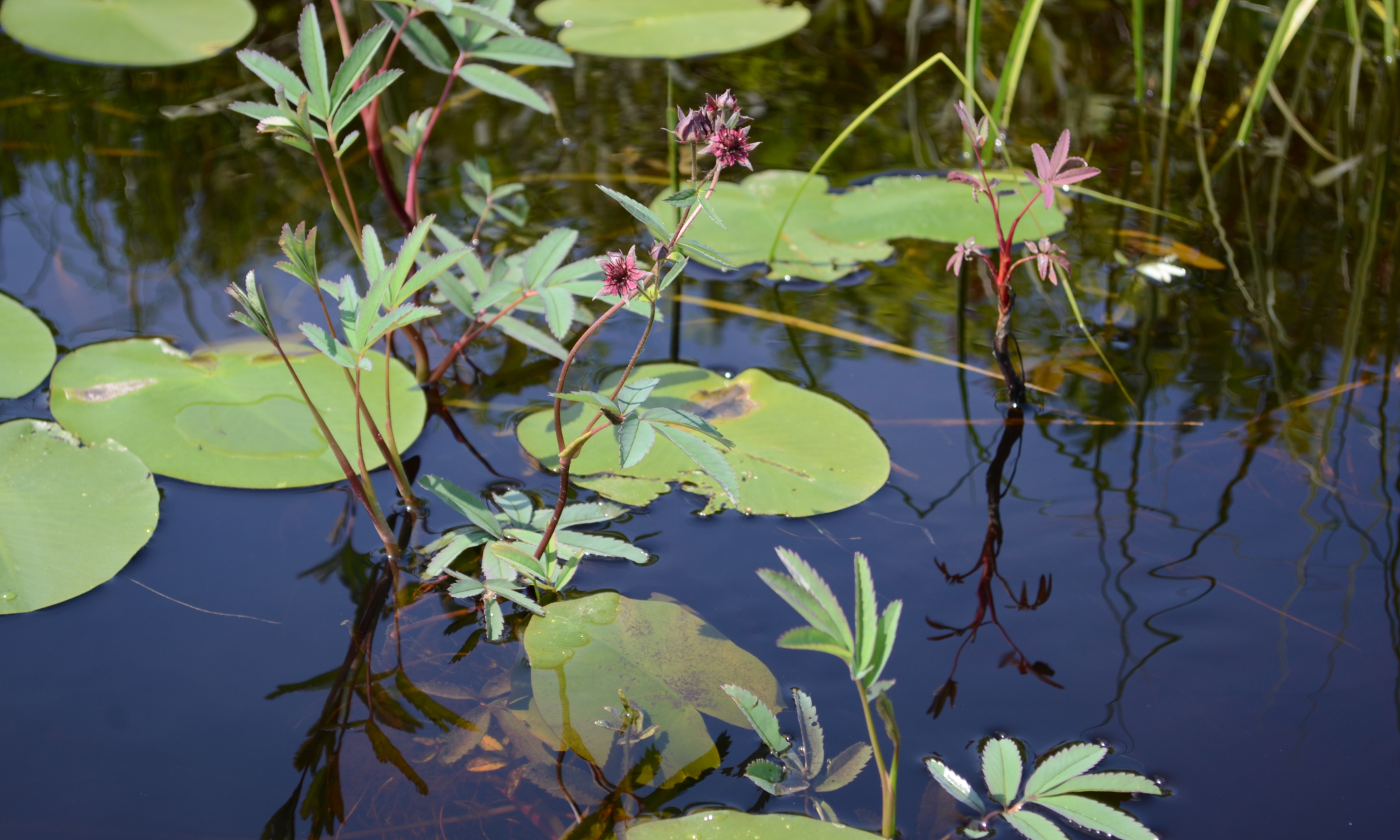
    Aquatic habitats of the Northeast support a high diversity of plants. Learn how to identify local native and invasive aquatic plants through hands-on review of vegetative and floral characteristics. Discover the amazing adaptations plants have made to live in water. This two session New England Wild Flower Society class will be taught by Dr. Lori Benoit at Nasami Farm in Whately, on September 6 and 13 from 6 – 9. Cosponsored by the Massachusetts Association of Conservation Commissions. $80 for members of sponsoring organizations, $96 for nonmembers. Register at www.newenglandwild.org.

    Image result for aquatic plants Massachusetts

  • Sunday, August 26, 10:00 am – 3:00 pm – Seed Saving

    Seed saving brings tremendous benefits to the willing gardener. Learn how seeds develop, stay dormant, and germinate. This New England Wild Flower Society hands-on workshop on August 26 from 10 – 3 at Nasami Farm Nursery in Whately covers harvesting, cleaning, and storing a wide spectrum of native seeds. Spend time in the field observing and collecting seeds, then practice cleaning. Take your work home with you. Bring a lunch and dress appropriately for the field. The workshop will be led by Kate Stafford, and is $66 for NEWFS members, $80 for nonmembers. Register online at http://www.newenglandwild.org/learn/our-programs/seed-saving-1

    Image result for Plant nursery

  • Saturday, August 11, 10:00 am – 2:00 pm – Native Botanical Cyanotype Workshop

    In this hands-on New England Wild Flower Society workshop at Nasami Farm in Whatley on Saturday, August 11 from 10 – 2, we will explore the history and methodology of botanical cyanotype prints and create our own. Cyanotypes are an early photographic process using light-sensitive materials and sunlight to create unique and striking ‘blue prints’ or ‘sun prints.’ The process lends itself beautifully to the documentation of botanical specimens, both scientifically and artistically. The class will be led by Alexis Doshas and is $53 for NEWFS members, $64 for nonmembers. Register at http://www.newenglandwild.org/learn/our-programs/native-botanical-cyanotype-print-workshop

    Image result for native plant cyanotype

  • Tuesday, July 24, 1:00 pm – 5:00 pm – Novel Approaches to Sustainable Horticulture

    Several common denominators define sustainable gardens everywhere. Comprehensive soil management, native plantings, water conservation, and reduced lawn size are some of the paths toward sustainable landscapes, regardless of climate or clientele. With the basics covered in other Ecological Landscape Alliance programs, join us on Tuesday, July 24 from 1 – 5 at Garden in the Woods, 180 Hemingway Street in Framingham, for the ELA Summer Workshop as we explore new strategies to add to the toolbox to save time, reduce your carbon footprint, and bring a tasty snack to your table as we continue our quest for more sustainable landscapes with some novel approaches.

    Incredible Edibles – More Fruit for Your Labor
    Ben Barkan
    The lone patio tomato is now being supplanted by a sophisticated palette of edible options in landscape design. Rather than separate edible plants into a home orchard or vegetable garden, the aesthetics of many of these plant invite incorporation into borders and hedges. Imagine springtime cherry blossoms from fruiting cherries rather than the ornamental varieties; build multi-season interest with bountiful blueberries in summer followed by spectacular autumn foliage; and create unexpected winter interest from the purple-red vines of the thornless blackberry.

    The Space In Between – Cover Cropping Reimagined
    Anna Fialkoff

    Farmers have known the advantages of cover-cropping for generations: erosion control; improved soil tilth; increased atmospheric nitrogen fixation; reduced nutrient leaching; support for beneficial soil organisms; improved water infiltration; and weed control. Recent experiments have been adopting the benefits of cover cropping in place of mulch in a horticulture setting to fill in between newly planted perennials or immature shrubs. Anna Fialkoff will discuss this cover cropping technique and explain the process and benefits of seeding nitrogen-fixing partridge pea (Chamaecrista fasciculata) in garden beds.

    Adaptive Management –
    Flexible Strategies to Guide Plant Growth in Naturalistic Landscapes
    Nick Novick

    Many techniques recommended for “weed control” often concentrate on complete removal or elimination — pulling or digging out, treating with herbicide, etc. Sometimes these measures are necessary, but in densely planted communities of native plants, sometimes these more time- and labor-intensive procedures aren’t really needed. Simply reducing the vigor of some plants by selective cutting or mowing might be enough to tip the balance to allow desirable plants to claim the space. This discussion will give an overview of some novel techniques for managing plant growth including timed mowing and cutting, removing seed heads, etc. Whereas more traditional landscapes are often managed to look essentially the same from year to year, plantings based on dense communities will often change over time. Along with specific field tactics, we’ll also touch on the mindset that is more accepting of a dynamic landscape and allows for flexible decision making about how to guide plant growth that responds to evolving conditions.

    Rethinking Leaf Management at Garden in the Woods
    Mark Richardson

    For decades, the American landscape aesthetic has included a manicured lawn; meticulously “cleaned” garden beds; and an annual application of bark mulch (often artificially colored, sometimes not bark at all but ground construction debris, and usually hauled in from great distances). At the Garden in the Woods, horticultural staff have always taken a more environmental approach, collecting and chopping leaves to reapply to gardens in lieu of bark mulch. But in the past three years, the staff have modified the process further to be even more sustainable. The new strategies take into account both budgets and ecosystems and have had a positive impact on both. The fundamental shift includes a more natural approach to leaf management. Now the staff leave the majority of the leaves in place, further minimizing their carbon footprint. Mark Richardson will share tips and lessons learned as they have committed to leave the leaves, an ecological method which is both intriguing and achievable.

    Panel Discussion
    We wrap up the program with a panel discussion. The afternoon speakers will answer questions about these new strategies and will address audience questions as well.

    Speaker Bios

    Ben Barkan is the owner & founder of HomeHarvest, a Boston area landscape design company that creates edible landscapes of abundant, nutrient-dense produce in gardens that are aesthetically pleasing and function as resilient and regenerative ecosystems. Ben holds a degree in Sustainable Agriculture from the Stockbridge School of Agriculture, is permaculture-design certified, and has worked on more than 35 organic farms in New England, California, Oregon, Hawaii, New Zealand, Australia, and Costa Rica. With a rich set of experiences, Ben applies lessons learned to HomeHarvest’s unique custom garden installations.

    Anna Fialkoff is an Ecological Horticulturist & Designer at Garden in the Woods, New England Wild Flower Society. She is a graduate of the Conway School of Landscape Design.

    Nick Novick owns and operates Small Planet Landscaping, which provides environmentally responsible land-care services including design, installation, and maintenance of meadows, woodland gardens and other habitat types based on native-plant communities. Other services include home orchard care, and lawn fertility and weed management. In addition to his degree in Environmental Conservation, Nick is a graduate of the UMass Extension Green School; and is a Rhode Island/CRMS Coastal Invasive Plant Manager; and is the ELA representative on the Massachusetts Invasive Plant Advisory Group. Nick is a former ELA board member and newsletter editor.

    Mark Richardson oversees the New England Wildflower Society’s botanic garden, Garden in the Woods, and its native plant nursery operation, Nasami Farm, in Whately, Massachusetts. He studied ornamental horticulture at University of Rhode Island and helped run a mid-sized ornamental plant nursery before finding his true passion in public horticulture. He led undergraduate programs at Longwood Gardens, overhauled the curriculum of the Professional Gardener Program, and oversaw adult education at Brookside Gardens. In 2013, Mark assisted with the development of the first comprehensive master plan for Garden in the Woods. He holds an MS from the University of Delaware’s Longwood Graduate Program. Mark also serves as a Trustee on the ELA Board of Directors.

    $30 for ELA members, $40 for nonmembers. Register online at https://www.ecolandscaping.org/event/summer-workshop-novel-approaches-to-sustainable-horticulture/

    Image result for Novel Approaches to Sustainable Horticulture

  • Sunday, May 6, 10:00 am – 12:00 noon – Container Gardening with Native Perennials at Nasami Farm

    Kick those petunias to the curb and create a show-stopping container garden using native plants! Become familiar with the species that thrive in containers and discover how to combine them. Learn about containers, soil mechanics, fertilizers, and proper care. Bring your own container and get creative. Plants are available for purchase, and potting soil is provided. This New England Wild Flower Society session will take place at Nasami Farm Nursery in Whately on Sunday, May 6 from 10 – 12, and is $26 for NEWFS members, $32 for nonmembers. Register online at http://www.newfs.org/learn/our-programs/container-gardening-with-native-perennials-at-nasami-farm

    Image result for spring New England native plants

  • Saturday, March 24, 6:00 pm – 8:00 pm – Fruits and Seeds Revealed

    Plants need their seeds to move around so they can propagate the next generation. On Saturday, March 24 at 6 pm at Nasami Farm in Whately, instructor George LoCascio will look at how plants have adapted a variety of ways to disperse their seeds. After a lecture on seed and fruit structures, we will look at examples of some of the adaptations using hand lenses and microscopes. $26 for New England Wild Flower Society members, $32 for nonmembers. Register online at http://www.newfs.org/learn/our-programs/fruits-and-seeds-revealed#

    Image from www.insightguides.com.

    Related image
  • Monday, March 19, 12:30 pm – 1:30 pm – Developing a Comprehensive Integrative Pest Management Plan Webinar

    An Integrated Pest Management Plan (IPM) is a tool for plant professionals to control pests in a timely, safe, and efficient manner and is a vital component in producing and maintaining healthy plants and landscapes. An IPM plan includes several aspects: sanitation and prevention, conservation, and augmentation methods using beneficial organisms. Traditionally, IPM plans also include the judicious use of chemical pesticides when all else fails. In this webinar, Alexis will discuss the negative effects of chemicals on beneficial insects and will evaluate other options such as OMRI certified and ‘safer’ products that can be incorporated as a last resort. This webinar will explore and discuss the components of an IPM plan and explain the basics of how to design an IPM plan tailored to individual needs.

    The Ecological Landscape Alliance will host a webinar on Monday, March 19 from 12:30 – 1:30 pm EST, free to ELA members, $10 for nonmembers. Register at https://www.ecolandscaping.org/event/webinar-developing-comprehensive-integrative-pest-management-ipm-plan/

    Alexis Doshas is a graduate of the Environmental Studies Department at Antioch University New England with a concentration in Conservation Biology. She ran a small organic gardening business for over a decade and worked with Safe Harbor Environmental Services as a restoration associate. She is a field researcher in a long-term NSF-funded study on the effects and mitigation of chronic atmospheric deposition of N on heathland communities of Cape Cod, MA. Currently, Alexis is the Propagator and Facilities Coordinator at New England Wild Flower Society’s Nasami Farm, where their mission is to conserve and promote the region’s native plants to ensure healthy, biologically diverse landscapes. Alexis’ interests include landscape ecology, soil ecology, nutrient processes, field research, sustainable agriculture, forest medicinal plants, and climate change. Her professional and personal goal is to serve the processes that contribute to a balanced ecosystem, both in the scientific and social disciplines.

    Image result for integrated pest management
  • Thursday, February 8, 6:00 pm – 7:30 pm – Plant-Soil Interactions: Introduction to Nutrient Cycling

    On Thursday, February 8 from 6 – 7:30 at Nasami Farm Nursery in Whately, explore the cycling of nutrients through the Northeast ecosystem, with an emphasis on plant and soil functions and interactions. In this informal class, Alexis Doshas will discuss the role of soil microbes, chronic deposition, the implications of climate change for nutrient cycles, and the way plant-soil interactions shape our forests and plant communities. $20 for New England Wild Flower Society members, $24 for nonmembers. Register online at http://www.newfs.org/learn/our-programs/plant-soil-interactions-introduction-to-nutrient-cycling

  • Saturday, January 27, 5:00 pm – 8:00 pm – Propagating Native Plants from Seed: Part 1

    Part 1: Seed Dormancy and Sowing Techniques

    Learn to propagate native plants from seed in this two-part, New England Wild Flower Society hands-on workshop at Nasami Farm Nursery in Whately that focuses on practical methods for small-scale propagation. This Saturday, January 27 workshop from 5 – 8 is appropriate for beginners and propagators with some experience. Take one or both classes. During part 1 of this series join us to explore seed biology and practice sowing seed. Take home your work.

    Part 2: Seedling Germination and Establishment, has yet to be scheduled and will take place in spring 2018. In Part 2 of this series you will learn the science behind successful seed starting and practice transplanting. Take home your work.

    $40 for NEWFS members, $48 for nonmembers. Image from www.ecolandscaping.org. Register online at http://www.newfs.org/learn/our-programs/propagating-native-plants-from-seed-part-1-seed-dormancy-and-sowing-techniques

  • Saturday, December 2, 1:00 pm – 2:30 pm – Seasonal Inspiration for the Winter Garden

    Sometimes the best way to think about your own garden is to visit someone else’s for inspiration. On Saturday, December 2, beginning at 1 pm, join the Ecological Landscape Alliance and enjoy a walk around Garden in the Woods with Botanic Garden Director Mark Richardson to learn about some of his favorite plants for the winter garden. Mark Richardson oversees the New England Wildflower Society’s botanic garden, Garden in the Woods, and its native plant nursery operation, Nasami Farm in Whately, Massachusetts. He studied ornamental horticulture at University of Rhode Island and helped run a mid-sized ornamental plant nursery before finding his true passion in public horticulture. He led undergraduate programs at Longwood Gardens, overhauled the curriculum of the Professional Gardener Program, and oversaw adult education at Brookside Gardens. In 2013, Mr. Richardson assisted with the development of the first comprehensive master plan for Garden in the Woods. He holds a MS from the University of Delaware’s Longwood Graduate Program. The program is $18 for ELA members, $21 for nonmembers. Register at http://www.ecolandscaping.org/event/seasonal-inspiration-winter-garden/